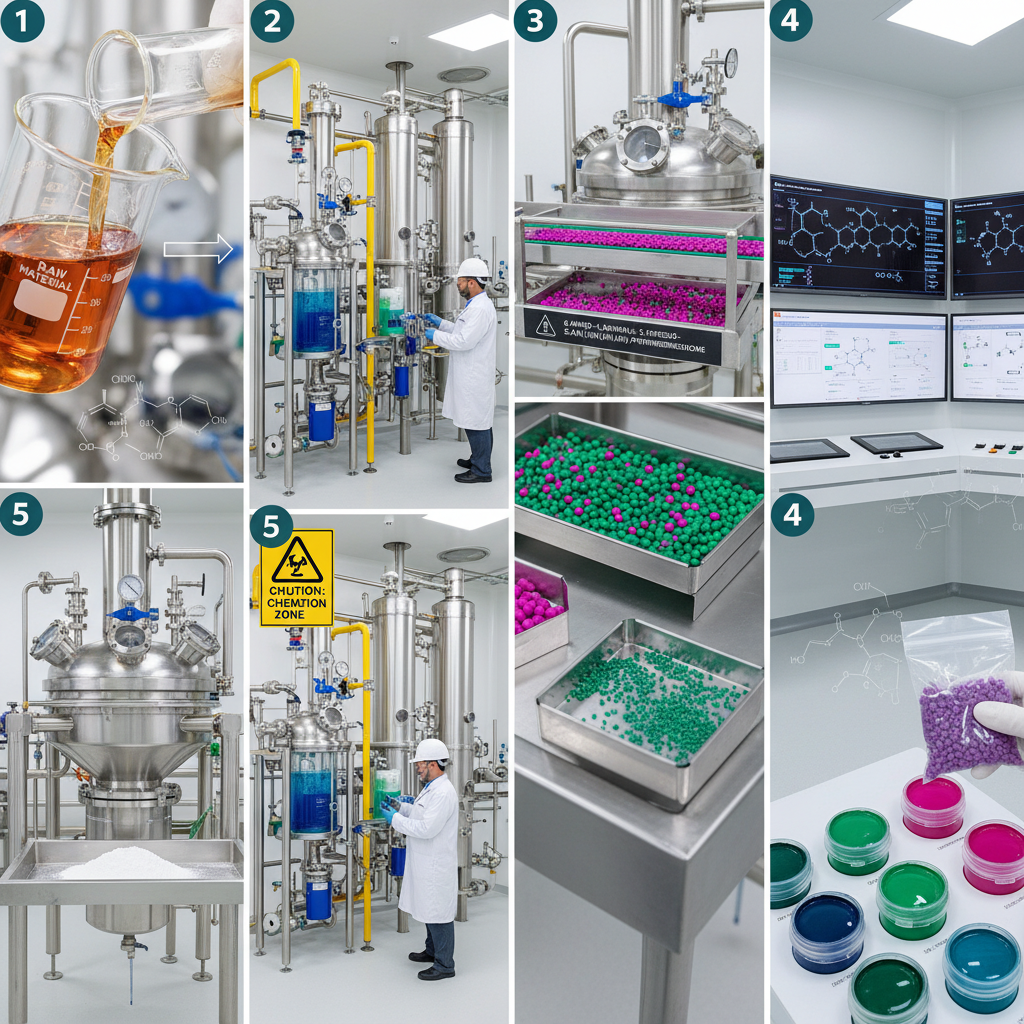
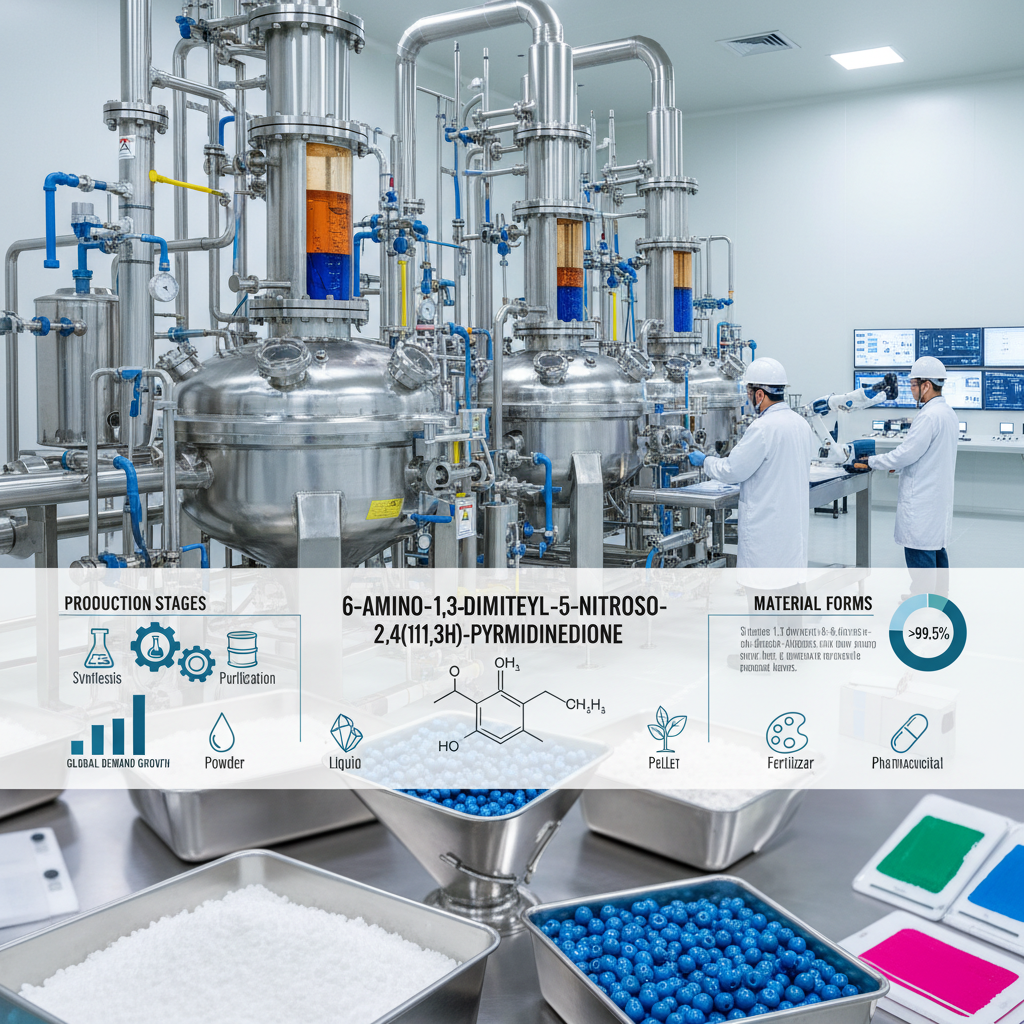
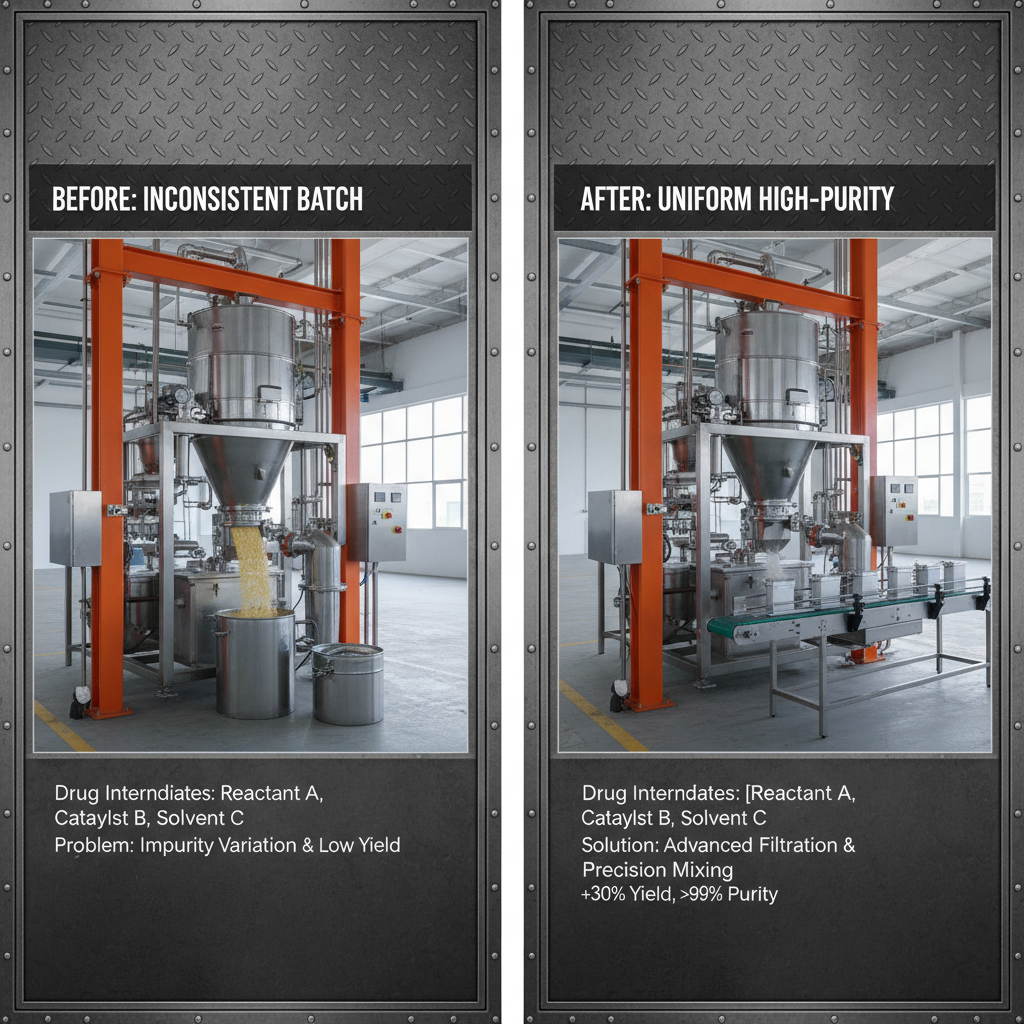
The chemical landscape of pharmaceutical intermediates is constantly evolving, and 6-amino-1,3-dimethyl-5-nitroso-2,4(1h,3h)-pyrimidinedione stands as a critical building block in the synthesis of complex heterocyclic compounds. As global demand for targeted therapies and specialized medicinal agents rises, understanding the precise chemical behavior and production standards of this pyrimidinedione derivative becomes essential for researchers and manufacturers alike.
From a global perspective, the stability and purity of 6-amino-1,3-dimethyl-5-nitroso-2,4(1h,3h)-pyrimidinedione are paramount, as even minor impurities can significantly alter the efficacy of the final Active Pharmaceutical Ingredient (API). The integration of high-precision synthesis techniques ensures that this intermediate meets the rigorous standards required by the international pharmaceutical community, bridging the gap between laboratory-scale research and industrial-scale production.
By delving into the structural properties and industrial applications of 6-amino-1,3-dimethyl-5-nitroso-2,4(1h,3h)-pyrimidinedione, stakeholders in the chemical manufacturing sector can optimize their supply chains and enhance the reliability of drug synthesis. This comprehensive overview aims to educate procurement officers and chemists on the strategic value this molecule provides in the broader context of pharmaceutical innovation.
The Chemical Significance of 6-amino-1,3-dimethyl-5-nitroso-2,4(1h,3h)-pyrimidinedione
The structural versatility of 6-amino-1,3-dimethyl-5-nitroso-2,4(1h,3h)-pyrimidinedione makes it an indispensable tool in organic synthesis. By serving as a precursor to various purine-like structures, it allows chemists to manipulate molecular geometry to fit specific biological receptors, which is a cornerstone of modern pharmacology.
Furthermore, the nitroso group in 6-amino-1,3-dimethyl-5-nitroso-2,4(1h,3h)-pyrimidinedione provides a reactive handle for further chemical transformations, such as reduction to amines or coupling reactions. This flexibility ensures that the molecule can be adapted for a wide array of pharmaceutical intermediates, ranging from antiviral agents to specialized enzyme inhibitors.
Global Industry Context and Market Demand
In the current global pharmaceutical market, the demand for high-purity intermediates like 6-amino-1,3-dimethyl-5-nitroso-2,4(1h,3h)-pyrimidinedione is driven by the surge in chronic disease research and the need for more precise API manufacturing. According to industry standards mirrored by ISO and pharmaceutical regulatory bodies, the traceability of raw materials is now a non-negotiable requirement for companies exporting to the EU and North American markets.
One of the primary challenges facing the industry is the volatility of supply chains and the strict environmental regulations surrounding the synthesis of nitroso-compounds. Many manufacturers struggle to balance high yields of 6-amino-1,3-dimethyl-5-nitroso-2,4(1h,3h)-pyrimidinedione with the need to reduce hazardous waste and carbon emissions, leading to a shift toward "Green Chemistry" protocols.
As the World Health Organization (WHO) emphasizes the importance of affordable medicine in developing nations, the scalable production of 6-amino-1,3-dimethyl-5-nitroso-2,4(1h,3h)-pyrimidinedione becomes a humanitarian priority. Efficient synthesis not only lowers the cost of the intermediate but also reduces the final price of life-saving medications for patients globally.
Structural Definition and Molecular Properties
At its core, 6-amino-1,3-dimethyl-5-nitroso-2,4(1h,3h)-pyrimidinedione is a heterocyclic organic compound characterized by a pyrimidine ring substituted with amino, methyl, and nitroso groups. This specific arrangement allows the molecule to maintain a balance between hydrophilicity and lipophilicity, which is crucial for its reactivity in synthetic organic chemistry.
The chemical formula and molecular weight of 6-amino-1,3-dimethyl-5-nitroso-2,4(1h,3h)-pyrimidinedione determine its solubility and melting point, factors that are critical for crystallization and purification processes in a factory setting. Ensuring the nitroso group remains stable during storage is one of the key technical challenges associated with this compound.
When compared to other pyrimidine derivatives, 6-amino-1,3-dimethyl-5-nitroso-2,4(1h,3h)-pyrimidinedione exhibits unique electronic properties due to the electron-withdrawing nature of the nitroso group. This makes the molecule an ideal candidate for nucleophilic attacks, facilitating the creation of complex ring systems required for pharmaceutical efficacy.
Core Components of High-Quality Synthesis
Achieving pharmaceutical-grade purity in the production of 6-amino-1,3-dimethyl-5-nitroso-2,4(1h,3h)-pyrimidinedione requires a rigorous focus on four key pillars: catalytic precision, temperature control, solvent purity, and purification efficiency. Each of these factors directly influences the impurity profile of the final product, which is strictly monitored via HPLC and NMR spectroscopy.
Moreover, the scalability of the synthesis process is vital. Moving 6-amino-1,3-dimethyl-5-nitroso-2,4(1h,3h)-pyrimidinedione from a 1-liter flask to a 1,000-liter reactor requires a deep understanding of heat transfer and mass balance to avoid runaway reactions and ensure consistent batch-to-batch quality.
Efficiency Analysis of 6-amino-1,3-dimethyl-5-nitroso-2,4(1h,3h)-pyrimidinedione Synthesis Methods
Global Applications and Real-World Use Cases
In the pharmaceutical sector, 6-amino-1,3-dimethyl-5-nitroso-2,4(1h,3h)-pyrimidinedione is widely utilized as an intermediate for the synthesis of xanthine derivatives and other purine analogs. These compounds are essential in treating respiratory diseases and acting as central nervous system stimulants, making this intermediate critical for healthcare providers in Asia and Europe.
Beyond medicine, the compound finds application in specialized biochemical research, where it serves as a probe for studying nucleic acid interactions. In remote industrial zones where pharmaceutical manufacturing hubs are located, the reliable supply of 6-amino-1,3-dimethyl-5-nitroso-2,4(1h,3h)-pyrimidinedione ensures that the production of essential generics is not interrupted by raw material shortages.
Long-Term Value and Strategic Advantages
The strategic value of investing in high-quality 6-amino-1,3-dimethyl-5-nitroso-2,4(1h,3h)-pyrimidinedione lies in the reduction of downstream purification costs. When an intermediate is synthesized with ultra-high purity, the final API production process becomes more streamlined, reducing waste and increasing the overall yield of the medicine.
From a safety and reliability perspective, using a certified source for 6-amino-1,3-dimethyl-5-nitroso-2,4(1h,3h)-pyrimidinedione minimizes the risk of toxic by-products entering the clinical supply chain. This build-up of trust between the intermediate manufacturer and the pharmaceutical brand is essential for long-term partnerships in an industry governed by strict FDA and EMA regulations.
Ultimately, the innovation brought by optimizing the synthesis of 6-amino-1,3-dimethyl-5-nitroso-2,4(1h,3h)-pyrimidinedione contributes to the broader goal of sustainable chemistry. By reducing the energy footprint of its production, manufacturers not only save on costs but also align with global ESG (Environmental, Social, and Governance) goals.
Future Trends in Pyrimidinedione Production
The future of 6-amino-1,3-dimethyl-5-nitroso-2,4(1h,3h)-pyrimidinedione production is leaning heavily toward automation and continuous flow chemistry. Unlike batch processing, continuous flow allows for precise control over reaction time and temperature, which significantly reduces the risk of degradation of the nitroso group and enhances safety.
Digital transformation, including the use of AI-driven reaction optimization, is also becoming prevalent. By simulating the interaction of 6-amino-1,3-dimethyl-5-nitroso-2,4(1h,3h)-pyrimidinedione with various catalysts in a virtual environment, researchers can identify the most efficient synthetic route before even entering the lab, drastically shortening the development cycle.
Moreover, the shift toward bio-based precursors for the pyrimidine ring is a growing trend. Replacing petroleum-derived chemicals with sustainable alternatives in the synthesis of 6-amino-1,3-dimethyl-5-nitroso-2,4(1h,3h)-pyrimidinedione will be a key differentiator for companies aiming to lead the "Green Pharma" movement in the next decade.
Comprehensive Analysis of 6-amino-1,3-dimethyl-5-nitroso-2,4(1h,3h)-pyrimidinedione Production Metrics
| Synthesis Parameter |
Standard Grade |
Pharmaceutical Grade |
Impact on API |
| Purity Level |
95% - 98% |
>99.5% |
Crucial for Efficacy |
| Impurity Profile |
General Organic |
Trace Metal Controlled |
Prevents Toxicity |
| Stability (Shelf Life) |
6 Months |
24 Months (Controlled) |
Ensures Supply Consistency |
| Solubility Rate |
Moderate |
Optimized Particle Size |
Faster Reaction Rates |
| Environmental Impact |
Standard Waste |
Low VOC / Green Route |
Regulatory Compliance |
| Cost Efficiency |
Low Initial Cost |
High ROI (Lower Waste) |
Reduced Final Product Cost |
FAQS
It serves as a critical intermediate for producing purine derivatives, which are essential in the creation of medications for respiratory conditions and CNS stimulants. Its reactive nitroso group allows for the efficient building of complex heterocyclic rings required for API activity.
High purity (typically >99%) of 6-amino-1,3-dimethyl-5-nitroso-2,4(1h,3h)-pyrimidinedione reduces the formation of side-products during synthesis. This ensures that the final pharmaceutical product meets safety standards and reduces the need for expensive downstream purification steps.
Yes, modern manufacturers are adopting "Green Chemistry" by using continuous flow reactors and bio-based solvents. These methods minimize hazardous waste and lower the energy consumption compared to traditional batch synthesis of this pyrimidinedione derivative.
It should be stored in a cool, dry environment, away from direct light and strong oxidizing agents. Using airtight, UV-protected containers is recommended to prevent the degradation of the nitroso group, ensuring the chemical remains viable for long-term use.
Absolutely. With the implementation of industrial-scale reactors and strict thermal management, 6-amino-1,3-dimethyl-5-nitroso-2,4(1h,3h)-pyrimidinedione can be produced in multi-ton quantities while maintaining consistent quality through standardized SOPs and rigorous QC testing.
When sourcing 6-amino-1,3-dimethyl-5-nitroso-2,4(1h,3h)-pyrimidinedione, look for ISO 9001 certification for quality management and adherence to GMP (Good Manufacturing Practices) if the material is intended for pharmaceutical API production.
Conclusion
In summary, 6-amino-1,3-dimethyl-5-nitroso-2,4(1h,3h)-pyrimidinedione is far more than a simple chemical intermediate; it is a strategic asset in the synthesis of critical pharmaceutical agents. From its unique molecular structure to its role in improving the efficiency of API production, this compound embodies the intersection of organic chemistry and industrial utility. Ensuring high purity and sustainable production methods for this intermediate not only enhances the quality of the final medication but also ensures regulatory compliance on a global scale.
Looking forward, the integration of AI and flow chemistry will likely redefine the production standards of 6-amino-1,3-dimethyl-5-nitroso-2,4(1h,3h)-pyrimidinedione, making it more accessible and eco-friendly. For pharmaceutical companies and research institutions, partnering with a transparent and quality-driven supplier is the most effective way to ensure the stability of their drug pipelines. We invite you to explore our high-purity solutions and expertise in pharmaceutical intermediates. Visit our website: www.kxdchem.com