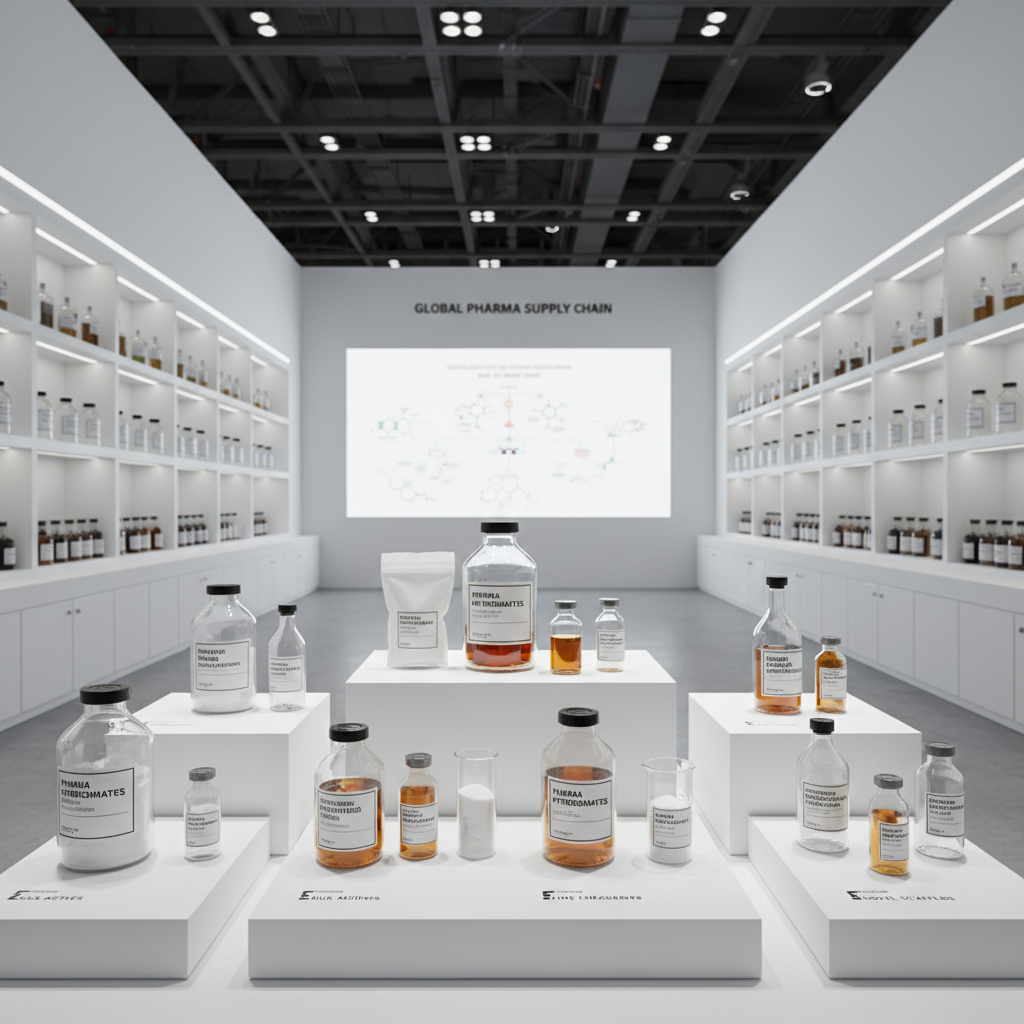
The pharmaceutical landscape is constantly evolving, with a growing reliance on high-purity synthetic intermediates to drive the development of next-generation therapeutics. Among these, 6-amino-1,3-dimethyl-1,2,3,4-tetrahydropyrimidine-2,4-dione stands out as a critical building block, offering the structural precision required for complex molecular synthesis. Understanding its chemical properties and industrial utility is essential for chemists and procurement specialists aiming to optimize drug efficacy and manufacturing yields.
Globally, the demand for specialized pyrimidine derivatives has surged as the medical community shifts toward more targeted therapies, particularly in the realms of antiviral and antineoplastic research. The precise arrangement of the amino and methyl groups in 6-amino-1,3-dimethyl-1,2,3,4-tetrahydropyrimidine-2,4-dione allows it to serve as a versatile scaffold, facilitating the creation of molecules that can interact specifically with biological targets. This makes it a cornerstone in the production of various Active Pharmaceutical Ingredients (APIs).
Integrating this intermediate into a streamlined production chain not only enhances the quality of the final medicinal product but also reduces the risk of impurities that could compromise patient safety. As regulatory bodies like the FDA and EMA tighten their purity standards, the role of high-grade 6-amino-1,3-dimethyl-1,2,3,4-tetrahydropyrimidine-2,4-dione becomes even more paramount for manufacturers striving for global compliance and therapeutic excellence.
Global Industrial Context of 6-amino-1,3-dimethyl-1,2,3,4-tetrahydropyrimidine-2,4-dione
In the current global chemical economy, the production of specialized pharmaceutical intermediates like 6-amino-1,3-dimethyl-1,2,3,4-tetrahydropyrimidine-2,4-dione is driven by the escalating need for precision medicine. According to industry trends aligned with ISO quality standards, the shift toward complex heterocyclic compounds has increased, as these structures allow for better bioavailability and targeted interaction within the human body.
However, the industry faces a significant challenge: the gap between laboratory-scale synthesis and industrial-scale production. Maintaining the high purity levels of 6-amino-1,3-dimethyl-1,2,3,4-tetrahydropyrimidine-2,4-dione during mass manufacture is often hindered by volatile reaction conditions and the difficulty of removing trace catalysts, which can lead to costly batch failures in API production.
Defining 6-amino-1,3-dimethyl-1,2,3,4-tetrahydropyrimidine-2,4-dione and Its Chemical Significance
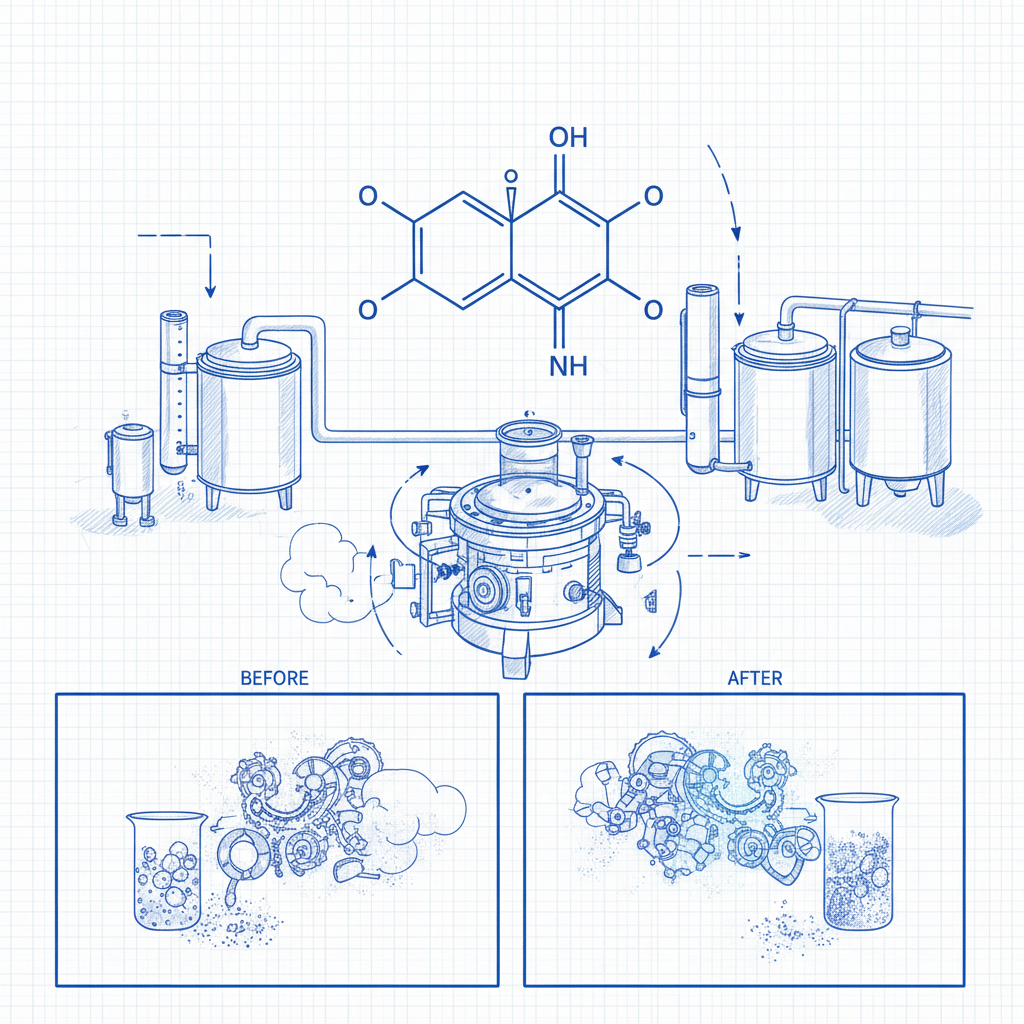
At its most fundamental level, 6-amino-1,3-dimethyl-1,2,3,4-tetrahydropyrimidine-2,4-dione is an organic compound belonging to the pyrimidine-dione class. It is characterized by a six-membered heterocyclic ring containing two nitrogen atoms, with specific substitutions—namely an amino group and two methyl groups—that dictate its reactivity and polarity. This unique molecular architecture makes it an indispensable precursor for synthesising nitrogen-rich heterocyclic drugs.
The significance of this compound extends beyond simple chemistry; it addresses a humanitarian need for more effective and less toxic medications. By providing a stable and predictable scaffold, 6-amino-1,3-dimethyl-1,2,3,4-tetrahydropyrimidine-2,4-dione enables researchers to fine-tune the pharmacokinetic properties of a drug, potentially reducing side effects and increasing the success rate of clinical trials.
In modern industrial chemistry, the "dimethyl" and "amino" modifications on the pyrimidine ring are not incidental. They are strategically placed to optimize hydrogen bonding and steric hindrance, ensuring that the subsequent API derived from this intermediate fits perfectly into the active site of the target enzyme or receptor, thereby maximizing therapeutic potency.
Core Technical Components and Stability Factors
One of the most critical aspects of 6-amino-1,3-dimethyl-1,2,3,4-tetrahydropyrimidine-2,4-dione is its structural stability. The dione (two ketone) functional groups provide a level of rigidity to the ring, which is essential when the compound is subjected to high-pressure reactions or extreme temperature fluctuations during the synthesis of more complex pharmaceutical agents.
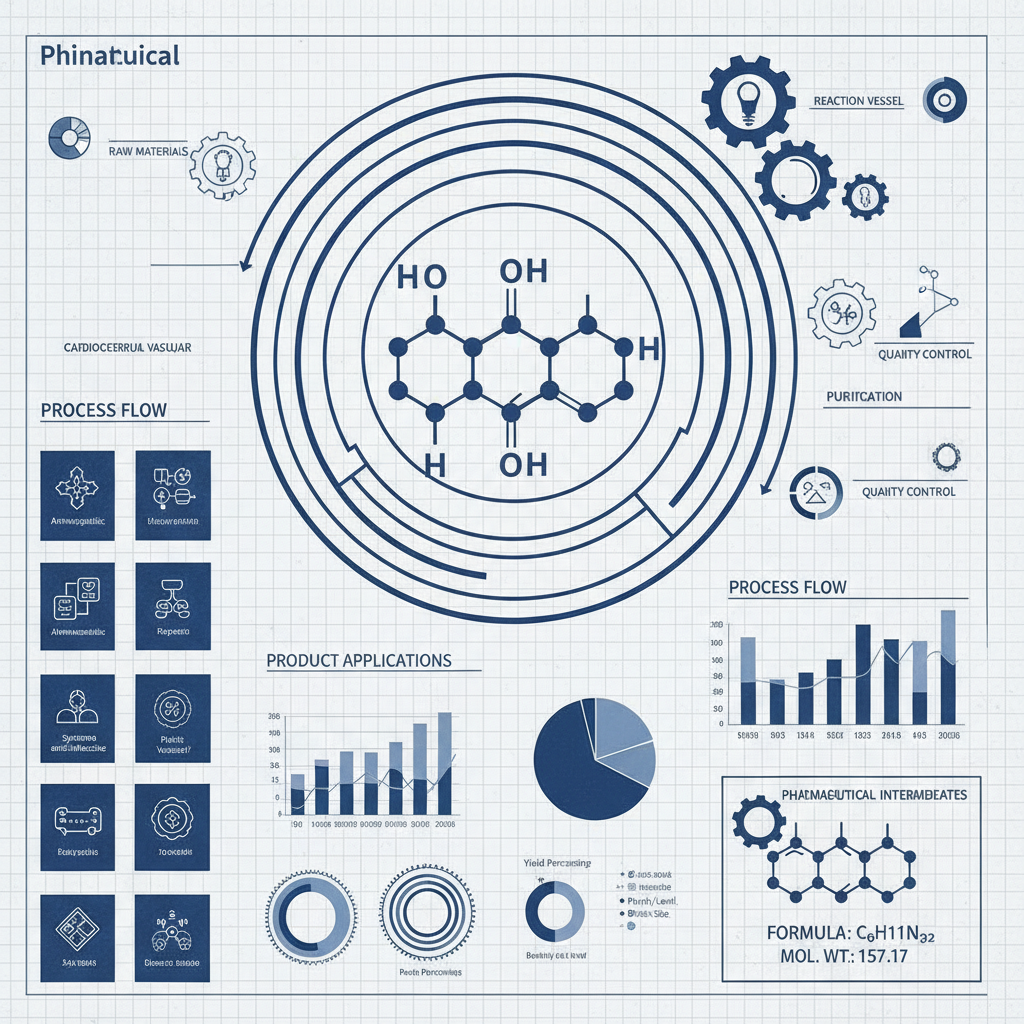
Purity and scalability are the dual pillars of its industrial application. For 6-amino-1,3-dimethyl-1,2,3,4-tetrahydropyrimidine-2,4-dione, this means achieving a purity level of 98% or higher consistently. Scalability involves optimizing the crystallization process to ensure that the crystal morphology remains consistent, which directly affects the solubility and reaction rate in subsequent chemical steps.
Furthermore, the cost-efficiency of utilizing this intermediate is found in its high atom economy. Because 6-amino-1,3-dimethyl-1,2,3,4-tetrahydropyrimidine-2,4-dione integrates several key functional groups into a single compact molecule, it reduces the number of synthetic steps required to reach the final API, thereby lowering solvent waste and overall production costs.
Real-World Global Applications and Use Cases
In practice, 6-amino-1,3-dimethyl-1,2,3,4-tetrahydropyrimidine-2,4-dione is widely employed in the synthesis of antineoplastic agents and antiviral drugs. In the highly regulated pharmaceutical hubs of Europe and North America, it is used as a primary intermediate for developing kinase inhibitors that target cancer cell proliferation. Its ability to be further derivatized allows for the creation of a diverse library of compounds during the lead optimization phase of drug discovery.
Beyond oncology, this compound plays a vital role in the manufacturing of specialized veterinary drugs, particularly those used to treat systemic infections in livestock. In remote industrial zones in Asia, the scale-up of 6-amino-1,3-dimethyl-1,2,3,4-tetrahydropyrimidine-2,4-dione production has enabled local pharmaceutical companies to produce affordable generic versions of critical medications, expanding healthcare access in developing regions.
Efficiency Analysis of 6-amino-1,3-dimethyl-1,2,3,4-tetrahydropyrimidine-2,4-dione Synthesis Methods
Strategic Advantages and Long-Term Pharmaceutical Value
The primary advantage of incorporating 6-amino-1,3-dimethyl-1,2,3,4-tetrahydropyrimidine-2,4-dione into a synthesis pipeline is the unmatched reliability it offers. From a logical standpoint, the compound's predictable reactivity reduces the need for extensive trial-and-error during the scaling process, which translates directly into faster time-to-market for life-saving drugs. This reliability fosters trust between chemical suppliers and pharmaceutical manufacturers.
From an emotional and social perspective, the use of high-purity intermediates like 6-amino-1,3-dimethyl-1,2,3,4-tetrahydropyrimidine-2,4-dione is an investment in patient dignity and safety. By minimizing impurities at the intermediate stage, the risk of adverse reactions in the final drug product is significantly lowered. This commitment to quality reflects an industry-wide shift toward "Patient-First" manufacturing, where innovation is measured not just by efficacy, but by the absolute purity of the chemical journey.
Future Trends in Pyrimidine Intermediate Innovation
Looking ahead, the synthesis of 6-amino-1,3-dimethyl-1,2,3,4-tetrahydropyrimidine-2,4-dione is moving toward "Green Chemistry" principles. We are seeing a transition from traditional organic solvents to aqueous-based or solvent-free reactions to reduce the environmental footprint. This digital transformation in chemistry includes the use of AI-driven retrosynthesis software to find even more efficient pathways to produce the compound with zero waste.
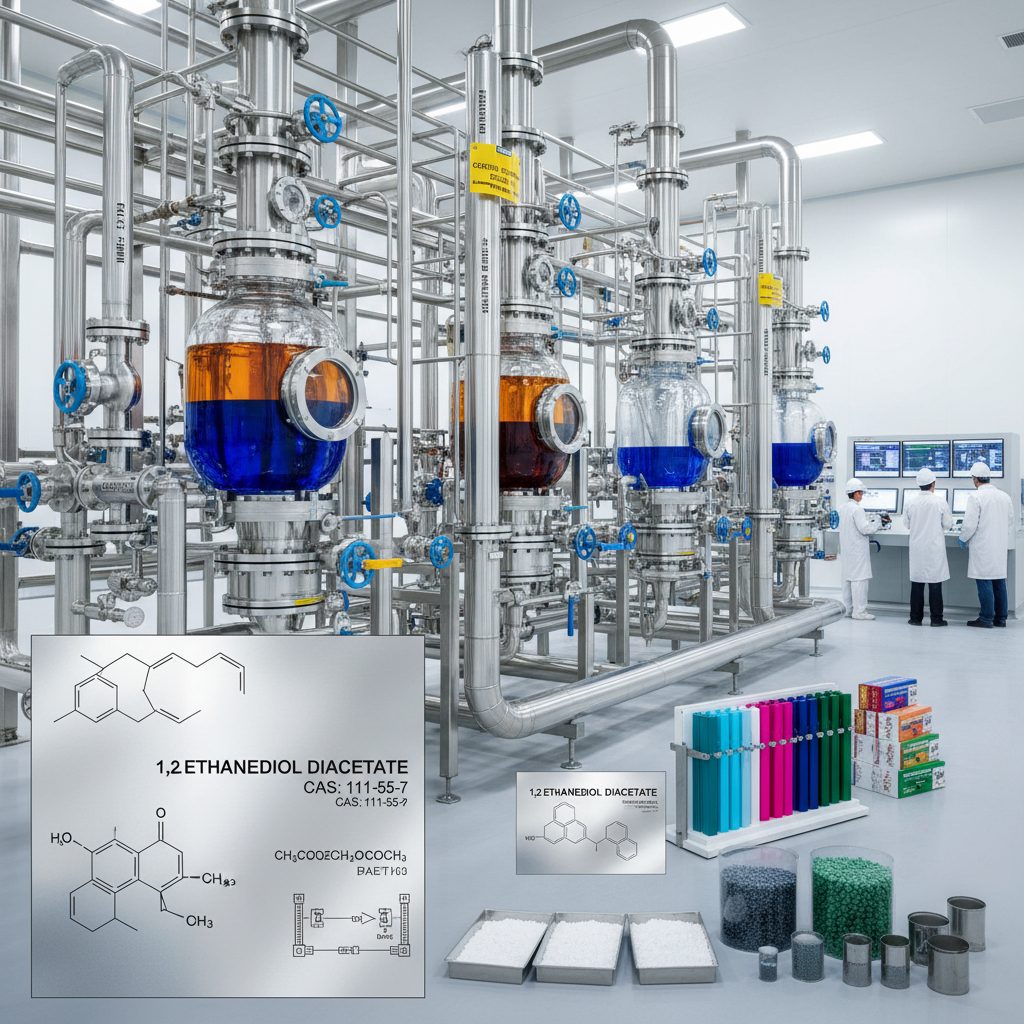
Automation and continuous flow manufacturing are also set to revolutionize the production of 6-amino-1,3-dimethyl-1,2,3,4-tetrahydropyrimidine-2,4-dione. Unlike batch processing, continuous flow allows for real-time monitoring of purity and temperature, ensuring that every milligram of the intermediate meets the same rigorous standards. This shift not only increases yield but also drastically reduces the risk of human error in the laboratory.
Furthermore, the integration of biotechnology—such as the use of engineered enzymes to catalyze the formation of the pyrimidine ring—promises a future where 6-amino-1,3-dimethyl-1,2,3,4-tetrahydropyrimidine-2,4-dione can be produced under milder conditions. This bio-synthetic approach would align the pharmaceutical industry with global sustainability goals, reducing the reliance on petroleum-based precursors.
Overcoming Manufacturing Challenges and Solutions
One of the most persistent challenges in the production of 6-amino-1,3-dimethyl-1,2,3,4-tetrahydropyrimidine-2,4-dione is the management of regio-selectivity. During the methylation process, there is a risk of creating isomers that are chemically similar but biologically inactive. To solve this, expert chemists now employ protective group strategies and highly selective catalysts that ensure the methyl groups attach specifically to the 1 and 3 positions of the ring.
Another hurdle is the sensitivity of the amino group to oxidation, which can lead to discoloration and a drop in purity. The solution lies in the implementation of inert gas shielding (using nitrogen or argon) during the final stages of crystallization and packaging. By controlling the atmospheric exposure, manufacturers can maintain the stark white crystalline appearance and chemical potency of 6-amino-1,3-dimethyl-1,2,3,4-tetrahydropyrimidine-2,4-dione for extended shelf lives.
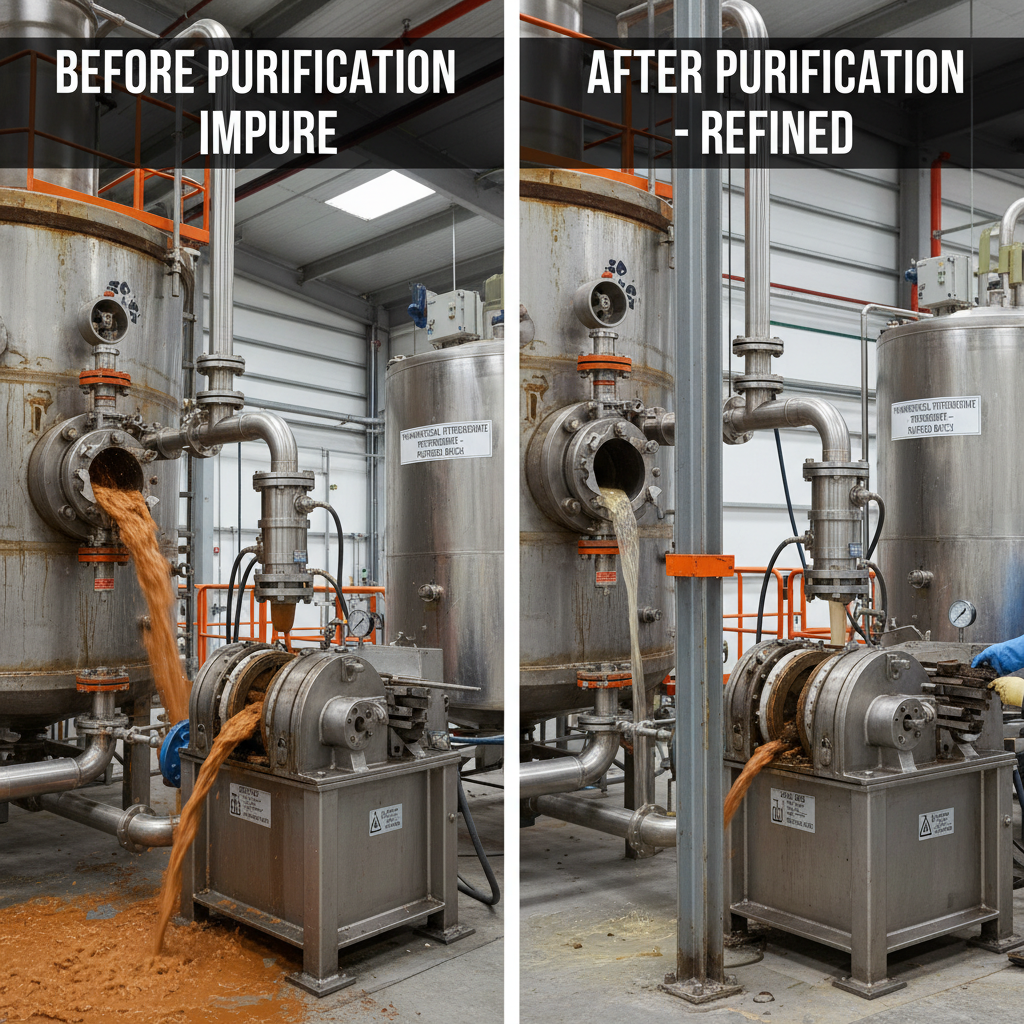
Finally, the challenge of heavy metal residue from catalysts is being addressed through the use of scavenger resins and advanced chromatography. By implementing a multi-stage purification protocol, producers can ensure that 6-amino-1,3-dimethyl-1,2,3,4-tetrahydropyrimidine-2,4-dione is free from palladium or nickel traces, meeting the strictest pharmacopeia standards for API precursors.
Comparative Analysis of 6-amino-1,3-dimethyl-1,2,3,4-tetrahydropyrimidine-2,4-dione Quality Standards
| Purity Grade |
Analysis Method |
Typical Impurity Level |
Recommended Application |
| Technical Grade |
HPLC (Standard) |
< 2.0% |
Industrial Chemical Synthesis |
| Pharmaceutical Grade |
GC-MS / HPLC |
< 0.5% |
Standard API Manufacturing |
| Ultra-Pure Grade |
NMR / LC-MS |
< 0.1% |
Clinical Trial Formulations |
| Research Grade |
TLC / HPLC |
< 1.0% |
Laboratory R&D |
| Veterinary Grade |
HPLC |
< 0.8% |
Animal Health API |
| Custom Synthesis |
Custom Specs |
Variable |
Targeted Molecular Design |
FAQS
It primarily serves as a high-purity intermediate for the synthesis of nitrogen-based heterocyclic drugs, specifically targeting the development of antineoplastic (anti-cancer) and antiviral agents. Its structural properties allow it to act as a scaffold for APIs that require precise binding to biological receptors.
To prevent oxidation of the amino group and moisture absorption, it should be stored in a cool, dry, and well-ventilated area. We recommend using airtight, light-resistant containers and sealing them under an inert gas like nitrogen to ensure long-term stability.
Yes, it is frequently used in the veterinary pharmaceutical sector to produce systemic anti-infectives. The compound's reliability in synthesis makes it an ideal choice for producing cost-effective veterinary APIs without compromising efficacy.
Common impurities include unreacted starting materials, regio-isomers (where methyl groups are in the wrong position), and trace metal catalysts. High-grade versions utilize advanced crystallization and chromatography to reduce these to below 0.5%.
Modern production methods are increasingly compatible. The industry is moving toward solvent-free synthesis and enzymatic catalysis to produce this compound, significantly reducing hazardous waste and aligning with global ESG goals.
Quality verification is typically performed using High-Performance Liquid Chromatography (HPLC) to check purity and Proton Nuclear Magnetic Resonance (1H NMR) to confirm the molecular structure and the correct placement of substituents.
Conclusion
In summary, 6-amino-1,3-dimethyl-1,2,3,4-tetrahydropyrimidine-2,4-dione is far more than a simple chemical intermediate; it is a strategic asset in the pharmaceutical manufacturing chain. From its critical role in antineoplastic research to its utility in veterinary medicine, the compound's structural stability and purity are directly linked to the efficacy and safety of final medicinal products. By mastering the challenges of regio-selectivity and oxidation, the industry has unlocked a reliable path toward creating complex, life-saving medications with higher precision and lower cost.
As we look toward the future, the integration of AI-driven synthesis and green chemistry will further elevate the production of 6-amino-1,3-dimethyl-1,2,3,4-tetrahydropyrimidine-2,4-dione, making it more sustainable and accessible. For pharmaceutical companies, partnering with suppliers who prioritize ultra-pure grades and transparent quality control is the only way to ensure compliance with evolving global health standards. We invite you to explore our high-grade chemical solutions and enhance your production pipeline. Visit our website: www.kxdchem.com