In the sophisticated realm of pharmaceutical synthesis, cas no 6642 31 5 serves as a pivotal building block for the creation of advanced medicinal compounds. As the global demand for targeted therapies grows, the precision and purity of pharmaceutical intermediates have become the cornerstone of drug efficacy and patient safety, making this specific compound a subject of intense industrial focus.
The strategic importance of cas no 6642 31 5 extends beyond simple chemical synthesis; it represents the intersection of organic chemistry and life-saving pharmacology. By providing a stable and reactive scaffold, it enables researchers to develop complex molecules that can interact with specific biological targets, thereby reducing side effects and enhancing the therapeutic window of modern medications.
Understanding the chemical properties and supply chain dynamics of cas no 6642 31 5 is essential for manufacturers seeking to optimize their production cycles. From ensuring compliance with international quality standards to implementing green chemistry principles, the mastery of this intermediate is key to accelerating the journey from the laboratory bench to the pharmacy shelf.
Global Relevance and Industrial Context of cas no 6642 31 5
On a global scale, the pharmaceutical intermediate cas no 6642 31 5 is an essential component in the synthesis of high-value Active Pharmaceutical Ingredients (APIs). According to trends observed in ISO-certified chemical manufacturing, the demand for high-purity intermediates has surged as regulatory bodies like the FDA and EMA tighten their requirements for impurity profiling and stability testing.
The primary challenge facing the industry is the balance between cost-efficient mass production and the stringent purity levels required for pharmaceutical grade materials. For cas no 6642 31 5, this means employing advanced purification techniques such as recrystallization and high-performance liquid chromatography (HPLC) to ensure that no residual solvents or catalysts compromise the final drug product.
Defining the Chemical Significance of cas no 6642 31 5
In simple terms, cas no 6642 31 5 is a chemical intermediate that acts as a "molecular bridge." It allows chemists to connect different functional groups to create a specific molecular architecture. In the context of pharmaceutical manufacturing, this precision is what allows a drug to bind to a receptor in the human body with high affinity, ensuring that the medicine works effectively.
The connection between cas no 6642 31 5 and modern humanitarian needs is profound. Many of the life-saving medications used in treating chronic diseases and acute infections rely on the availability of such intermediates. When the supply chain for these chemicals is stable, the cost of medicine decreases, making healthcare more accessible to underserved populations worldwide.
From a technical standpoint, the structural integrity of cas no 6642 31 5 ensures that the subsequent reactions in the synthesis chain proceed with high yields. This efficiency reduces waste and lowers the environmental footprint of the chemical plant, aligning pharmaceutical production with global sustainability goals and green chemistry standards.
Core Technical Components for Optimal Performance
Chemical stability is the first critical factor when dealing with cas no 6642 31 5. To maintain its reactivity for the intended pharmaceutical synthesis, the compound must be stored under controlled temperature and humidity. Any degradation of the intermediate can lead to the formation of unwanted by-products, which are difficult to remove during the final API purification process.
Purity levels are perhaps the most scrutinized aspect of cas no 6642 31 5. A purity grade of 99% or higher is typically required to avoid "impurity carry-over." In the pharmaceutical industry, even a 0.1% impurity can lead to toxicity or reduced stability of the final drug, making rigorous analytical validation essential for every batch produced.
Scalability and cost-efficiency are the final drivers of success. The synthesis route for cas no 6642 31 5 must be optimized for large-scale production without sacrificing quality. By using efficient catalysts and optimizing solvent recovery, manufacturers can lower the cost per kilogram, directly contributing to the affordability of the end-user medications.
Global Applications and Pharmaceutical Use Cases
The application of cas no 6642 31 5 is diverse, spanning across multiple therapeutic classes. In Europe and North America, it is frequently used in the development of high-end antineoplastic agents, where high molecular precision is required to target cancer cells without damaging healthy tissue. The ability of this intermediate to support complex stereochemistry is invaluable for oncological research.
In emerging markets across Asia and Latin America, cas no 6642 31 5 is increasingly utilized in the production of generic APIs to expand access to essential medicines. For instance, in large-scale pharmaceutical hubs, this compound is integrated into the synthesis of cardiovascular drugs and nervous system regulators, providing a reliable foundation for affordable, high-quality healthcare.
Comparative Performance Analysis of cas no 6642 31 5 Synthesis Methods
Tangible Advantages and Long-Term Value
The primary logical advantage of utilizing cas no 6642 31 5 lies in its reliability. For pharmaceutical companies, the ability to source an intermediate with consistent batch-to-batch quality reduces the risk of failed production runs. This reliability translates directly into cost savings and a faster time-to-market for critical medications, ensuring that patients receive treatment without unnecessary delays.
Beyond the financial metrics, there is an emotional and ethical value rooted in safety and trust. By ensuring the highest purity of cas no 6642 31 5, manufacturers uphold the dignity of the patient, providing medicines that are free from harmful contaminants. This commitment to quality fosters a relationship of trust between the pharmaceutical manufacturer, the healthcare provider, and the end patient.
Future Trends in cas no 6642 31 5 Synthesis
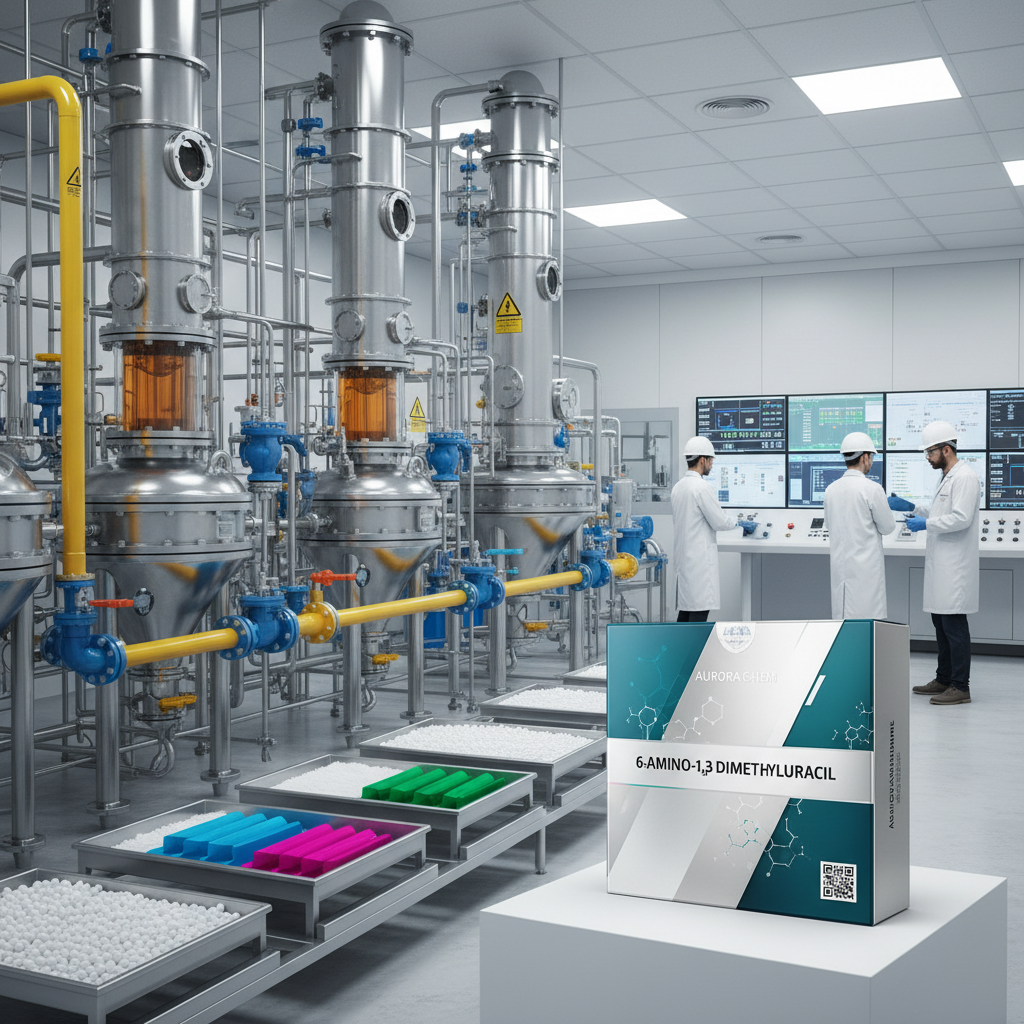
The future of cas no 6642 31 5 production is leaning heavily toward the integration of digital transformation and automation. Continuous flow chemistry is replacing traditional batch processing, allowing for real-time monitoring of reaction kinetics. This ensures that the synthesis of cas no 6642 31 5 is performed under optimal conditions at every single second, further increasing purity and reducing waste.
Sustainability is another driving force. We are seeing a shift toward "Green Chemistry," where hazardous solvents used in the production of cas no 6642 31 5 are replaced by bio-based alternatives or water-based systems. This transition not only protects the environment but also simplifies the removal of toxic residues, aligning with the global move toward carbon neutrality in the chemical sector.
Furthermore, the application of artificial intelligence in retrosynthetic analysis is optimizing how cas no 6642 31 5 is synthesized. AI can predict more efficient reaction pathways that require fewer steps and less energy, potentially lowering the cost of this essential intermediate and opening new doors for the synthesis of previously "unreachable" complex drug molecules.
Overcoming Challenges in Production and Supply
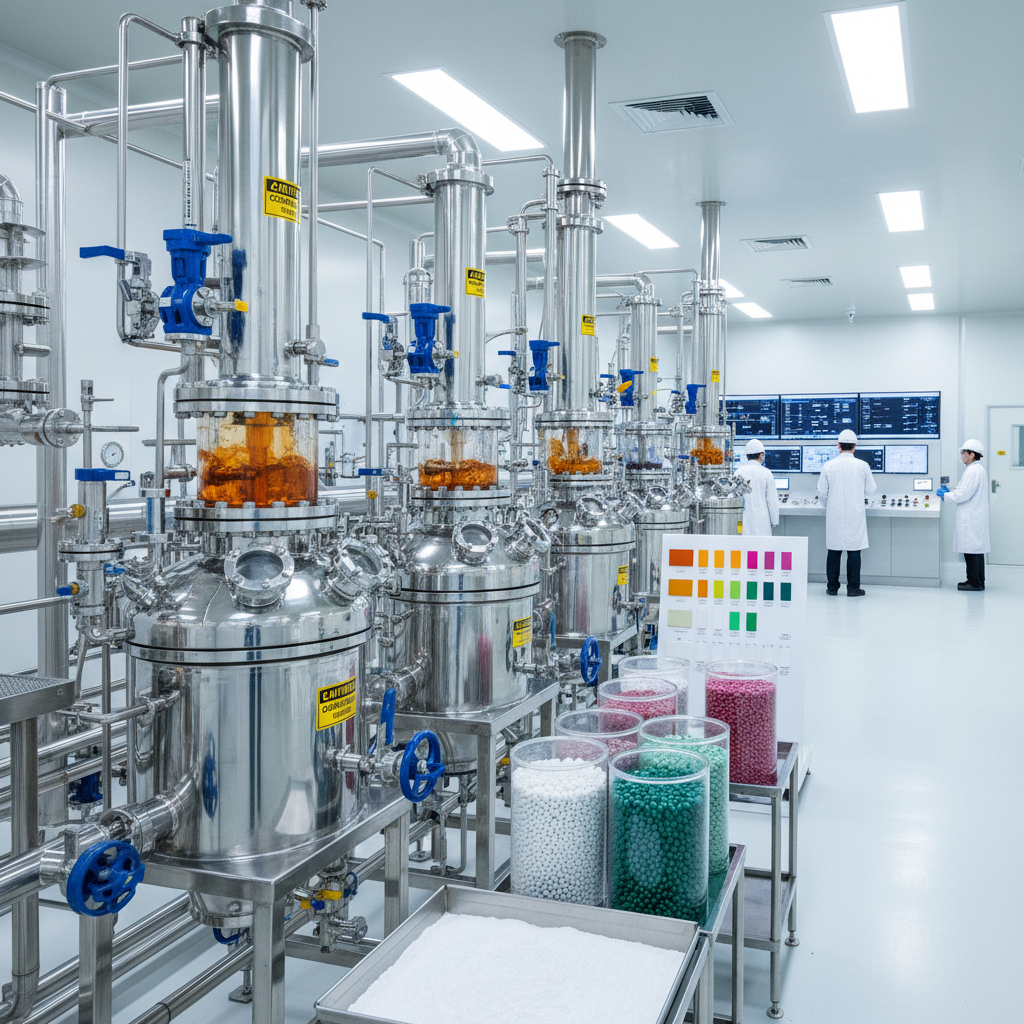
One of the most persistent challenges in the production of cas no 6642 31 5 is the sensitivity of the raw materials to environmental fluctuations. Slight changes in ambient temperature or the presence of trace moisture can trigger premature reactions, leading to a drop in overall yield. To combat this, modern facilities are implementing highly controlled "clean room" environments with precision HVAC systems to stabilize the reaction atmosphere.
Supply chain volatility also poses a significant risk. Reliance on a single geographical region for the precursors of cas no 6642 31 5 can lead to shortages during geopolitical instability or natural disasters. The solution lies in "multi-sourcing" strategies and the establishment of strategic stockpiles of key intermediates to ensure that the production of life-saving medicines is never interrupted.
Finally, the burden of regulatory compliance can be overwhelming for smaller manufacturers. To overcome this, industry collaborations and the adoption of shared Quality Management Systems (QMS) are becoming common. By standardizing the documentation and testing protocols for cas no 6642 31 5, the industry can ensure a uniform level of safety and quality regardless of where the product is manufactured.
Comprehensive Analysis of cas no 6642 31 5 Quality and Performance Indicators
|
Analysis Dimension
|
Technical Requirement
|
Impact on Final API
|
Industry Rating (1-10)
|
| Chemical Purity |
≥ 99.5% by HPLC |
Reduces toxic by-products |
10 |
| Moisture Content |
< 0.5% (Karl Fischer) |
Prevents hydrolytic degradation |
9 |
| Heavy Metal Residue |
< 10 ppm |
Ensures patient safety/non-toxicity |
8 |
| Thermal Stability |
Stable up to 40°C |
Extends shelf-life of intermediate |
7 |
| Solubility Profile |
High in polar organics |
Facilitates reaction kinetics |
9 |
| Batch Consistency |
< 0.2% variance |
Predictable manufacturing yield |
8 |
FAQS
cas no 6642 31 5 is primarily used as a high-purity pharmaceutical intermediate. It provides the necessary chemical scaffold for synthesizing Active Pharmaceutical Ingredients (APIs), particularly in the development of specialized medications for oncology and neurology, ensuring that the final drug has the correct molecular structure to be effective.
High purity is critical because any impurity in cas no 6642 31 5 can carry over into the final drug product. These impurities can lead to adverse side effects, unexpected toxicity, or reduced stability of the medicine. Therefore, manufacturers use HPLC and other analytical tools to ensure purity levels usually exceeding 99%.
To prevent degradation, cas no 6642 31 5 should be stored in a cool, dry, and well-ventilated area, ideally away from direct sunlight and moisture. Many manufacturers recommend temperature-controlled environments (often below 25°C or colder depending on the specific grade) and the use of airtight, light-resistant packaging to maintain stability.
Yes, the industry is moving toward green chemistry by replacing toxic organic solvents with bio-based solvents or utilizing enzymatic catalysis. These methods reduce the environmental impact of producing cas no 6642 31 5 and often result in higher selectivity and fewer waste products, making the overall process more sustainable.
Verification should involve reviewing the Certificate of Analysis (CoA) provided by the manufacturer, which should list the purity, moisture content, and impurity profile. Additionally, performing an independent HPLC test and checking the physical appearance against the standard specification is recommended for pharmaceutical-grade materials.
The price reflects the extreme purity requirements and the rigorous quality control processes involved. Unlike industrial chemicals, cas no 6642 31 5 must undergo multiple purification steps and strict analytical validation to meet pharmaceutical standards, ensuring it is safe for use in human medicine.
Conclusion
In summary, cas no 6642 31 5 is far more than a mere chemical identifier; it is a vital link in the chain of pharmaceutical innovation. By balancing technical purity, scalable production, and stringent quality control, this intermediate enables the creation of life-saving drugs that are both safe and effective. From its role in targeted cancer therapies to its contribution to global healthcare accessibility, the strategic management of this compound is essential for any forward-thinking pharmaceutical enterprise.
Looking ahead, the integration of AI-driven synthesis and green chemistry will further refine the production of cas no 6642 31 5, reducing costs and environmental impact. For companies seeking to lead in the API market, investing in high-quality sources and innovative synthesis pathways for this intermediate is a critical step toward sustainable growth and improved patient outcomes. Visit our website for more information: www.kxdchem.com