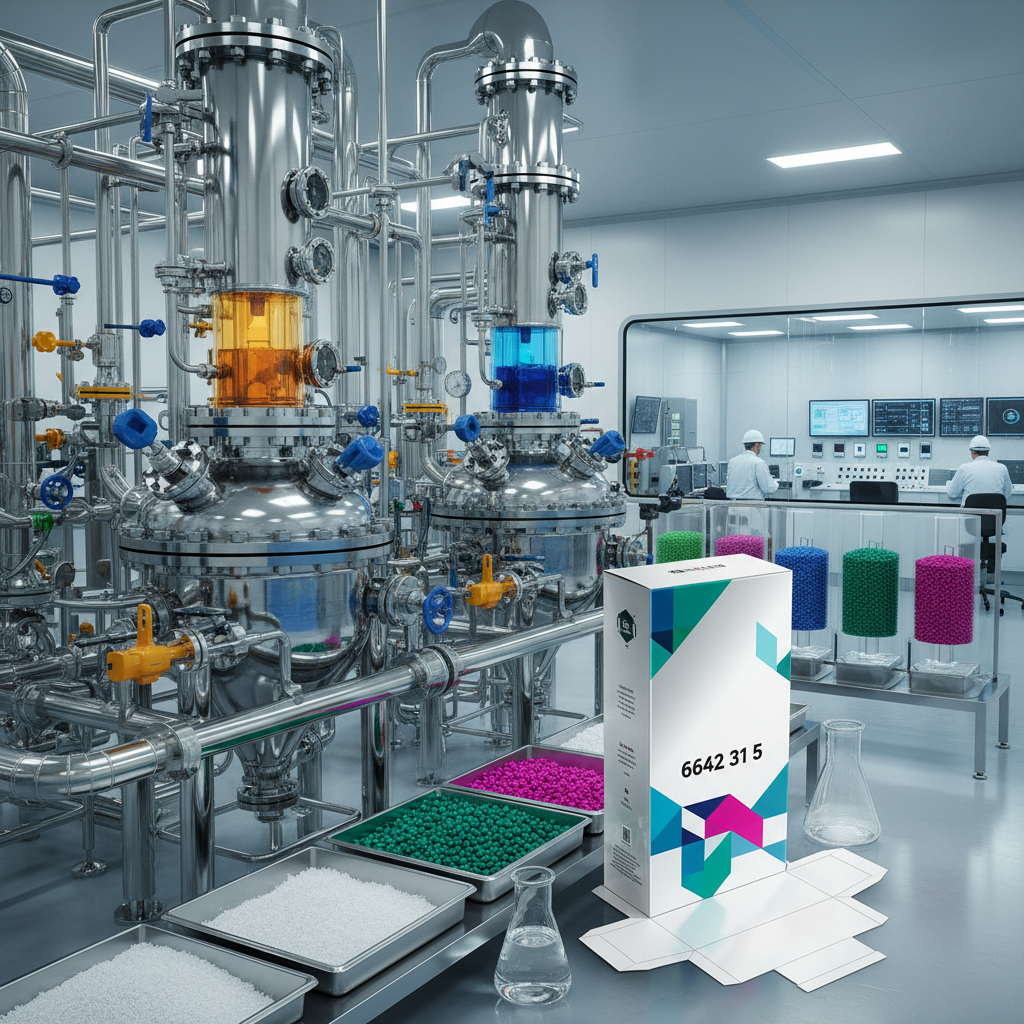
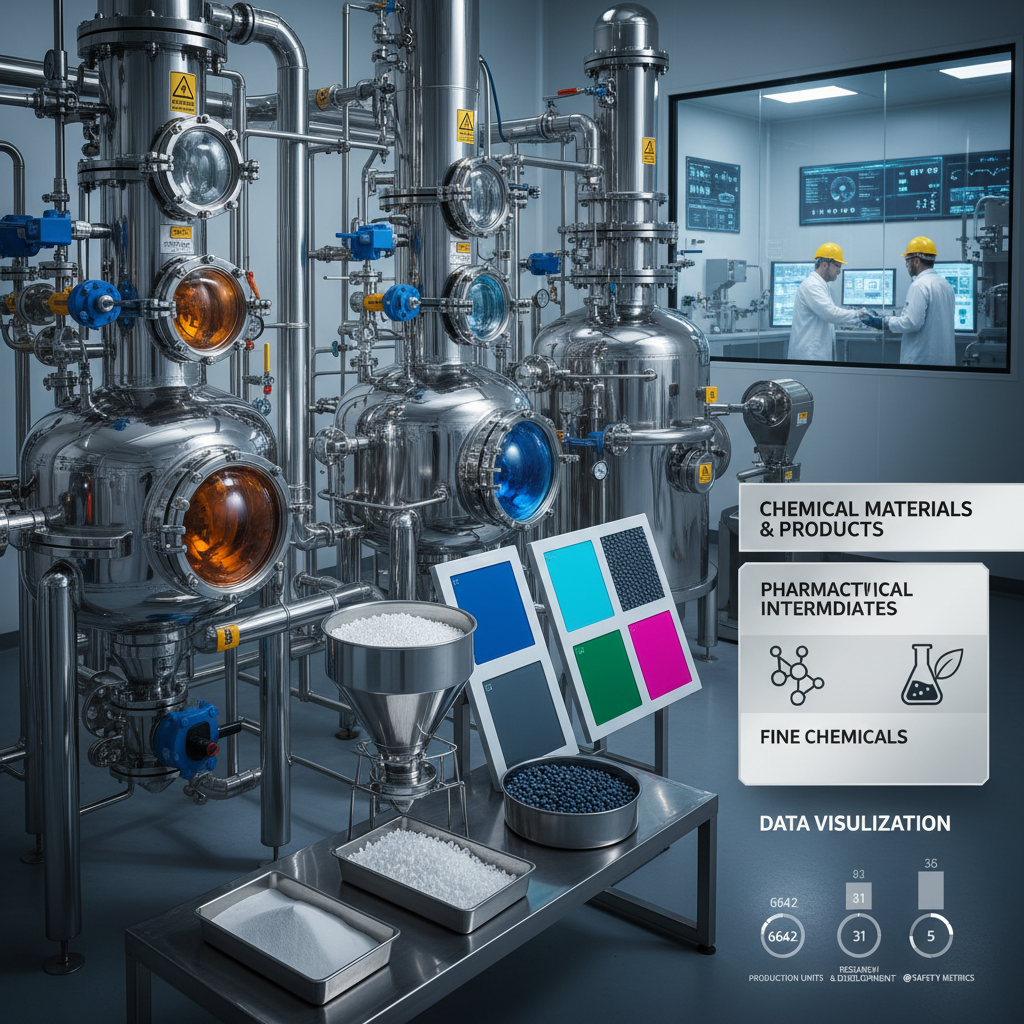
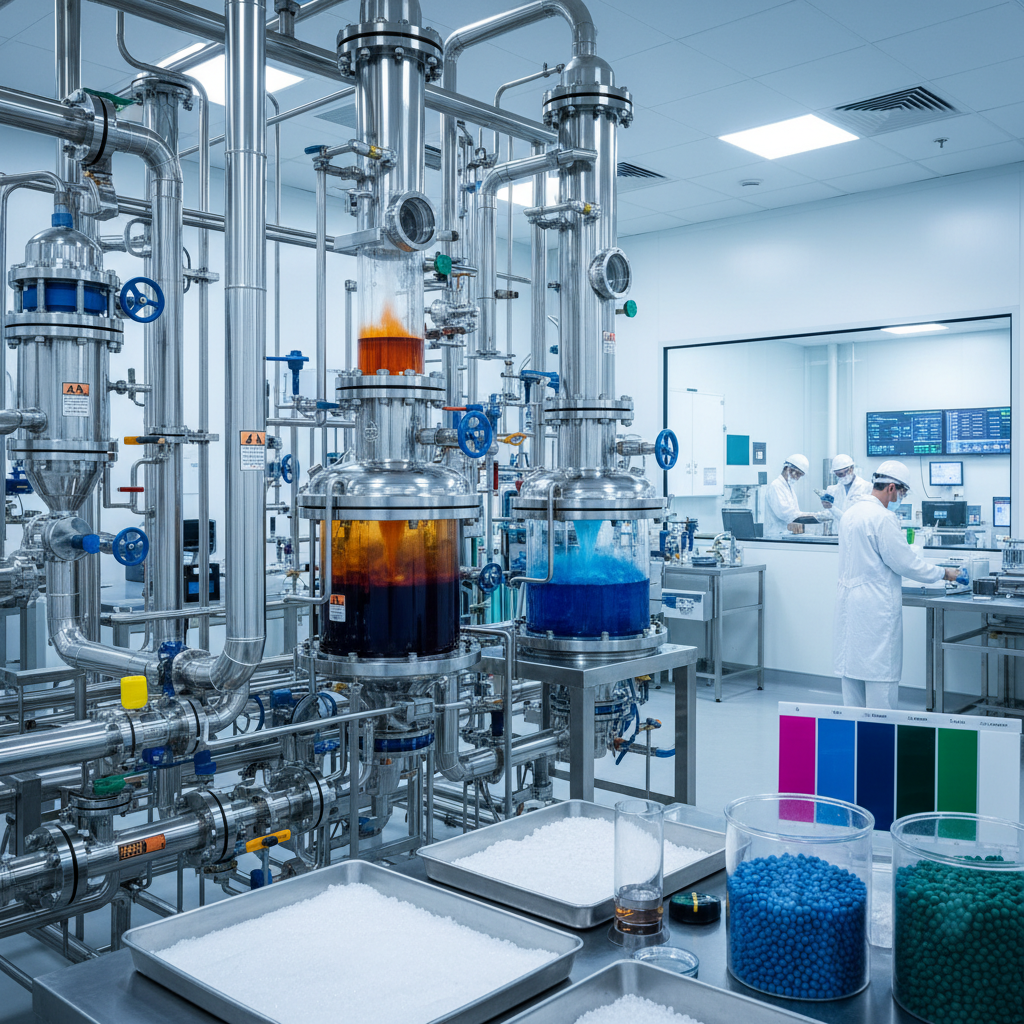
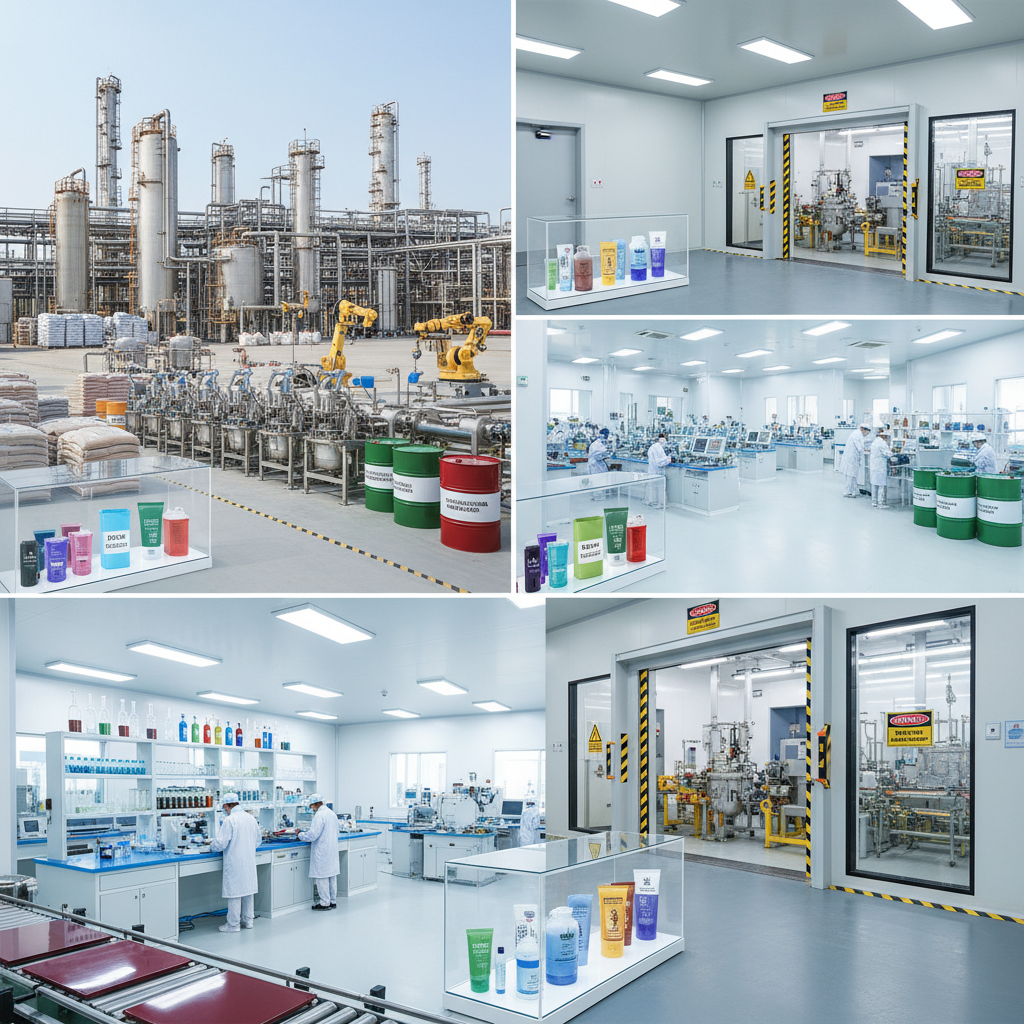
The pharmaceutical landscape is constantly evolving, and the role of high-purity chemical intermediates has become pivotal in the development of life-saving medications. Among these, 6642 31 5 stands out as a critical building block in organic synthesis, providing the structural foundation necessary for complex molecular architectures in drug design.
Understanding the chemical properties and strategic importance of 6642 31 5 allows pharmaceutical chemists to optimize reaction yields and reduce impurities, which is essential for meeting stringent regulatory standards. As global healthcare demands rise, the efficient production and sourcing of this specific intermediate ensure that the pipeline from lab to patient remains uninterrupted.
Beyond its technical specifications, the integration of 6642 31 5 into the synthesis of active pharmaceutical ingredients (APIs) reflects the broader trend of precision chemistry. By leveraging this intermediate, manufacturers can achieve higher selectivity and potency in their end products, ultimately improving patient outcomes in oncology and systemic infectious disease treatments.
Global Relevance of 6642 31 5 in API Synthesis
In the global pharmaceutical supply chain, the availability of high-grade intermediates like 6642 31 5 is a benchmark for industrial capacity. As the World Health Organization (WHO) emphasizes the need for affordable and accessible essential medicines, the optimization of synthesis pathways involving this compound becomes a matter of global health security.
The volatility of raw material sourcing often poses a challenge to API manufacturers. By standardizing the quality of 6642 31 5, the industry can mitigate risks associated with batch failures and regulatory non-compliance, ensuring a steady flow of medication to markets across Asia, Europe, and North America.
Chemical Definition and Industrial Meaning of 6642 31 5
At its core, 6642 31 5 is defined as a specialized chemical intermediate characterized by its unique molecular geometry and reactivity profile. In simpler terms, it acts as a "molecular bridge," allowing chemists to connect various functional groups to create a complex therapeutic molecule.
Industrially, the significance of this compound extends beyond its chemical formula. It represents a critical intersection between basic organic chemistry and advanced pharmacology. The ability to produce 6642 31 5 with high enantiomeric purity is often the difference between a successful drug candidate and one that fails during clinical trials due to off-target effects.
Furthermore, its connection to modern humanitarian needs is evident in the production of affordable generics. By refining the synthesis of 6642 31 5, the cost of the final drug product can be significantly reduced, making essential treatments accessible to low-income populations worldwide.
Core Technical Components of 6642 31 5 Production
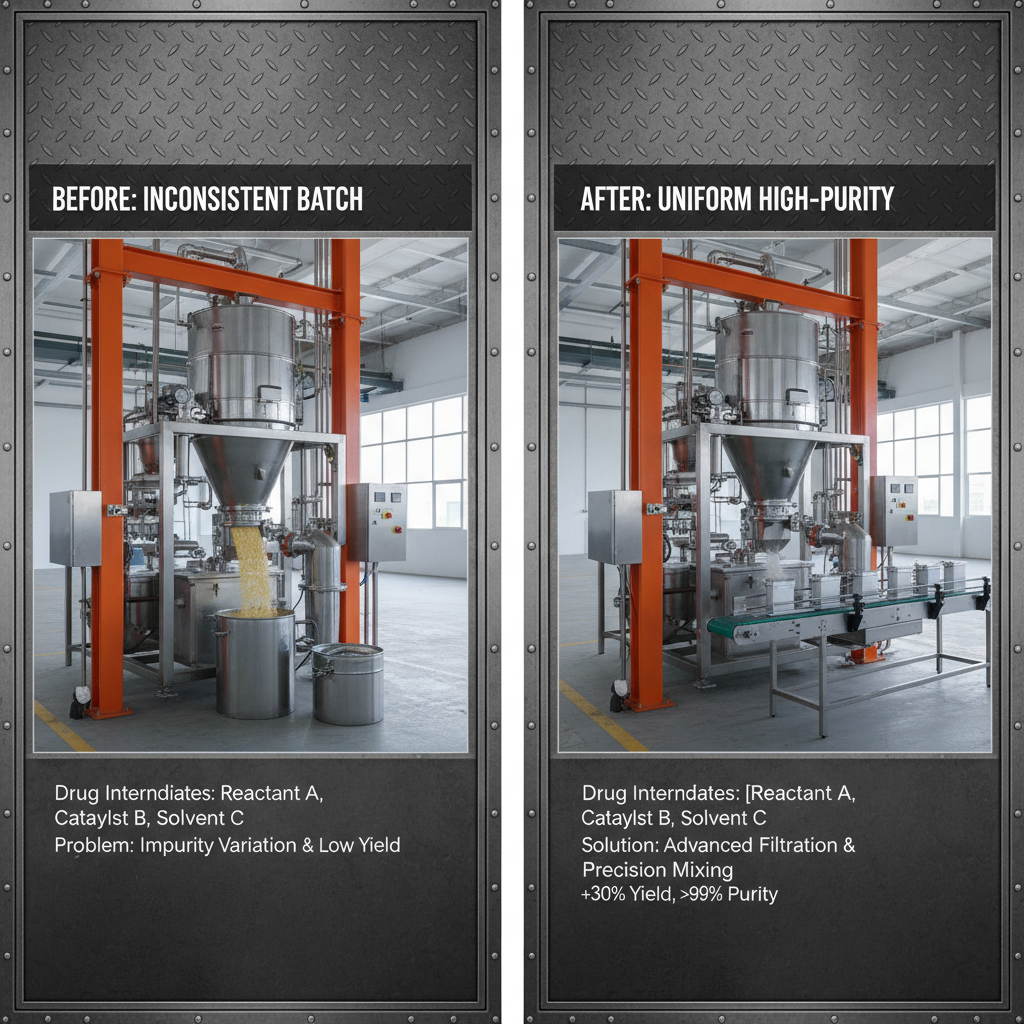
The production of 6642 31 5 relies on several critical factors, the first being chemical purity. High purity levels are non-negotiable, as even trace contaminants can catalyze unwanted side reactions during the subsequent API synthesis stages, potentially compromising the safety of the final medication.
Scalability is another pillar of 6642 31 5 manufacturing. Transitioning from a gram-scale laboratory setting to metric-ton industrial production requires precise control over exothermic reactions and solvent recovery systems to maintain consistent quality across all batches.
Finally, cost efficiency and environmental sustainability drive modern 6642 31 5 production. The adoption of "Green Chemistry" principles, such as reducing the use of hazardous chlorinated solvents, not only lowers operational costs but also aligns with global ISO environmental standards.
Global Applications and Practical Use Cases for 6642 31 5
The practical application of 6642 31 5 is most prominent in the synthesis of antineoplastic agents used in oncology. In specialized pharmaceutical zones across India and China, this intermediate is used to construct the core rings of targeted therapies that attack cancer cells while sparing healthy tissue.
Beyond cancer treatment, 6642 31 5 finds use in the development of systemic anti-infectives. In regions battling antimicrobial resistance, the creation of novel antibiotics often involves utilizing this intermediate to modify existing drug scaffolds, thereby overcoming bacterial defense mechanisms.
Efficiency Analysis of 6642 31 5 Synthesis Methods
Tangible Advantages and Long-Term Value of 6642 31 5
The primary advantage of utilizing 6642 31 5 lies in its reliability and predictability. In the high-stakes world of pharmaceutical manufacturing, having a consistent intermediate reduces the risk of batch rejection, thereby ensuring that patient delivery schedules are met without costly delays.
From a long-term strategic perspective, investing in the stable supply of 6642 31 5 fosters innovation. When chemists can rely on the quality of their starting materials, they can focus more on the creative aspects of drug discovery, such as improving bioavailability or reducing toxicity, which ultimately builds trust with regulatory bodies like the FDA or EMA.
Future Innovations and Trends in 6642 31 5 Chemistry
The future of 6642 31 5 production is moving toward total automation. The implementation of Continuous Flow Chemistry allows for the real-time monitoring of reaction parameters, reducing waste and significantly increasing the safety of the synthesis process by minimizing the volume of hazardous reagents present at any single moment.
Digital transformation is also playing a role, with AI-driven retrosynthesis tools now being used to find even more efficient pathways to 6642 31 5. These algorithms can predict potential impurities and suggest optimized temperatures and pressures, shortening the R&D cycle for new API derivatives.
Additionally, there is a growing trend toward bio-catalysis. By engineering specific enzymes to facilitate the creation of 6642 31 5, the industry can move away from heavy metal catalysts, resulting in a "greener" product that is easier to purify and more environmentally sustainable.
Challenges and Expert Solutions for 6642 31 5 Handling
One of the most persistent challenges in working with 6642 31 5 is its sensitivity to atmospheric moisture and temperature fluctuations. Improper storage can lead to degradation, which not only wastes expensive material but can introduce impurities that are difficult to remove during the purification phase.
Expert solutions involve the use of advanced inert gas blanketing (using Nitrogen or Argon) and vacuum-sealed packaging. By maintaining a strictly controlled environment, manufacturers can extend the shelf life of 6642 31 5 and ensure that the material remains active and pure from the point of manufacture to the point of use.
Another limitation is the complexity of analyzing trace impurities in 6642 31 5. To overcome this, the industry is adopting Ultra-High-Performance Liquid Chromatography (UHPLC) paired with Mass Spectrometry (MS), providing a level of detection sensitivity that ensures absolute compliance with international pharmacopeia standards.
Analysis of 6642 31 5 Quality and Production Metrics
| Production Method |
Purity Level (%) |
Cost Index (1-10) |
Eco-Friendliness |
| Traditional Batch |
98.2% |
4 |
Low |
| Catalytic Synthesis |
99.1% |
6 |
Medium |
| Continuous Flow |
99.7% |
8 |
High |
| Enzymatic Path |
99.9% |
9 |
Very High |
| Microwave-Assisted |
98.5% |
5 |
Medium |
| Hybrid Method |
99.4% |
7 |
High |
FAQS
6642 31 5 serves as a high-purity pharmaceutical intermediate. It is primarily used to construct the core structural scaffolds of active pharmaceutical ingredients (APIs), particularly in the synthesis of complex oncology drugs and systemic anti-infectives, ensuring the final molecule has the correct stereochemistry for biological activity.
The purity of 6642 31 5 is critical because impurities can act as catalysts for side reactions, leading to the formation of degradation products in the final drug. High-purity intermediates reduce the need for extensive downstream purification, lowering costs and ensuring the medication meets strict safety and efficacy standards.
While stable under correct conditions, 6642 31 5 can be sensitive to moisture and oxygen. To maintain its integrity, it should be stored in airtight, vacuum-sealed containers under an inert gas atmosphere (like Nitrogen) and kept in a cool, dry environment to prevent chemical degradation.
The industry is shifting toward Continuous Flow Chemistry and Bio-catalysis for 6642 31 5 production. These methods offer better control over reaction kinetics, higher yields, and a significantly lower environmental footprint compared to traditional batch processing.
Quality verification typically involves a combination of HPLC (High-Performance Liquid Chromatography) for purity analysis and NMR (Nuclear Magnetic Resonance) spectroscopy for structural confirmation. These results are then cross-referenced with international pharmacopeia standards to ensure global compliance.
Yes, by partnering with manufacturers who implement Green Chemistry principles. This includes using non-toxic solvents and energy-efficient synthesis pathways, reducing the carbon footprint associated with the production of 6642 31 5 without compromising its chemical potency.
Conclusion
In summary, 6642 31 5 is far more than just a chemical number; it is a cornerstone of modern pharmaceutical synthesis. From its critical role in creating targeted cancer therapies to the technological advancements in its production—such as continuous flow and AI-driven synthesis—this intermediate embodies the precision and efficiency required by today's medical industry. Its ability to enhance drug purity and reduce manufacturing costs directly contributes to the global goal of making life-saving medications more accessible and safer for patients.
Looking ahead, the continued evolution of 6642 31 5 chemistry will likely be defined by a commitment to sustainability and digital integration. As we move toward a future of personalized medicine, the demand for highly specific and pure intermediates will only grow. We encourage pharmaceutical developers and procurement specialists to prioritize high-quality sourcing to ensure the resilience and efficacy of their drug pipelines. Visit our website for more information: www.kxdchem.com