

Alpha pentafluoroethyl - ω - [tetrafluoroethyl (trifluoromethyl) ethoxy] - poly [oxy [trifluoromethyl) -1,2-ethylene] (CAS number: 60164-51-4) is a perfluoropolyether (PFPE) belonging to the fluorinated polymer family. This compound is known for its highly fluorinated structure, and its chemical formula can be simplified as CF ∝ CF ₂ O [CF (CF ∝) CF ₙ CF ₂ O (CF ∝) CF ₂ CF ∝, where n represents the degree of polymerization, which determines the difference in molecular weight and physical properties. This structure endows it with strong chemical inertness and thermal stability, making it perform well in extreme environments.
From a chemical perspective, the skeleton of this PFPE is composed of fluorinated ethyl units connected by oxygen atoms, similar to the fluorinated properties of polytetrafluoroethylene (PTFE), but introducing ether bonds to improve flexibility and lubrication performance. It usually exists in colorless, transparent oily or waxy form, with molecular weights ranging from several thousand to tens of thousands of daltons, and viscosity can be adjusted according to the degree of polymerization. The synthesis of this substance is mainly achieved through photopolymerization or ring opening polymerization of perfluorocyclic ether monomers, ensuring high purity and low volatility.
Main application: High performance lubricant
The core application of this compound is as a high-performance lubricant, widely used in industrial and high-end manufacturing fields. Its unique fluorinated structure provides excellent lubrication properties, including low friction coefficient (μ<0.1), high load-bearing capacity, and long-term stability, making it an ideal substitute for traditional hydrocarbon lubricants.
1.Aerospace field
In aerospace engineering, this PFPE is commonly used for lubrication of turbine engines, seals, and bearings. For example, in high-temperature turbine blades or space environments, it can withstand temperature fluctuations of -50 ° C to over 300 ° C without decomposition or volatilization. This is due to the high bond energy of its C-F bond (about 485 kJ/mol), which is much higher than that of its C-H bond (about 410 kJ/mol), thus resisting oxidation and thermal degradation. In NASA's space missions, PFPE has been used for satellite mechanical components to ensure pollution-free lubrication under vacuum conditions and avoid condensation of hydrocarbons in space.
2. Semiconductor and electronic manufacturing
The semiconductor industry is another key application area. As a lubricant for lithography machines, vacuum pumps, and precision instruments, it performs well in clean room environments. Due to its high degree of fluorination, this substance does not produce particles or volatile organic compounds (VOCs) and meets the ISO 14644 cleanliness standard. In etching and deposition processes, it is used to protect sensitive components from corrosive gases such as HF or Cl ₂. For example, in EUV (extreme ultraviolet) lithography equipment, the low vapor pressure of PFPE (<10 ⁻⁶ Pa at 25 ° C) ensures no gas pollution and improves chip yield.
3. Chemical processing and extreme environmental applications
In chemical equipment, this PFPE lubricant is suitable for pumps, valves, and mixers, especially when dealing with strong acids, alkalis, or oxidants. Its chemical inertness (pH range 0-14 stable) prevents equipment failure caused by lubricant degradation. For example, in fluoride synthesis or pharmaceutical intermediate production, it is used in sealed systems to withstand fluoride ion attacks without producing harmful by-products. In addition, in the nuclear industry or high-temperature reactors, as a radiation resistant lubricant, its radiation stability is higher than that of silicon-based oil (dose threshold>10 ⁶ Gy).
Why are they suitable for these purposes? Chemical property analysis
At the molecular level, the fluorinated chains of this PFPE provide hydrophobicity and low surface tension (approximately 18 mN/m), flowing smoothly like mercury and reducing wear. Its dielectric constant is low (ε ≈ 2.1), making it suitable for electrical insulation applications. At the same time, the high molecular weight version forms a stable thin film with a thickness that can be controlled at the nanometer level to prevent fatigue failure caused by metal metal contact.
Compared to other fluorinated lubricants such as perfluoroalkyl compounds, it is more economical because its degree of polymerization can be adjusted, achieving a transition from low viscosity oil to high viscosity grease. Thermogravimetric analysis (TGA) shows that its decomposition temperature in air exceeds 400 ° C, much higher than that of mineral oil (about 200 ° C). However, its high cost (several hundred dollars per liter) and environmental persistence (long half-life) need to be considered in the design and prioritized for use in irreplaceable situations.
Safety and Precautions
Chemical professionals should pay attention to its biological inertness when using it, but long-term exposure may lead to fluoride accumulation. OSHA standards recommend a well ventilated environment and avoid skin contact (LD50>5000 mg/kg). Store in a dry and cool place, away from incompatible materials such as alkali metals. In terms of environmental protection, although PFPE is not easily biodegradable, its low volatility reduces the risk of atmospheric emissions. Under the REACH regulation, it is classified as a non hazardous substance, but the total amount of perfluorinated compounds needs to be monitored.
Summary and Extension of Applications
In summary, the main purpose of CAS 60164-51-4 is focused on high reliability lubrication, driving innovation from aerospace to microelectronics. With the development of electric vehicles and 5G infrastructure, the demand for electric motor bearings and RF equipment is expected to increase. Researchers can explore its potential as a surface modifier, such as doping nanoparticles to enhance thermal conductivity. Overall, this PFPE demonstrates the irreplaceable value of fluorine chemistry under extreme conditions, driving progress in sustainable manufacturing.
Прочтите наши последние новости
Apr.16,2026
Strategic Growth and Quality Guide for api pharma business
The global pharmaceutical landscape is evolving rapidly, placing a heightened emphasis on the quality and reliability of Active Pharmaceutical Ingredients (APIs). Navigating the api pharma business requires a deep understanding of regulatory compliance, chemical synthesis innovation, and supply chain resilience. For companies aiming to scale, the ability to source high-purity intermediates and maintain stringent quality control is the cornerstone of success. In this guide, we will explore the critical components of managing a successful API enterprise, from regulatory hurdles to the integration of green chemistry, ensuring your business remains competitive in an increasingly demanding market.
Читать далее
Apr.09,2026
Importance and Quality Standards of api of pharmaceutical
In the complex world of drug manufacturing, the api of pharmaceutical, or Active Pharmaceutical Ingredient, serves as the biological heart of any medication. While a pill may contain various fillers, binders, and coatings, the API is the specific component responsible for producing the desired therapeutic effect in the patient. Ensuring the purity, stability, and efficacy of these ingredients is not just a technical requirement but a critical safety mandate for global healthcare. From simple pain relievers to complex oncology treatments, the quality of the API dictates the success of the final medical product.
Читать далее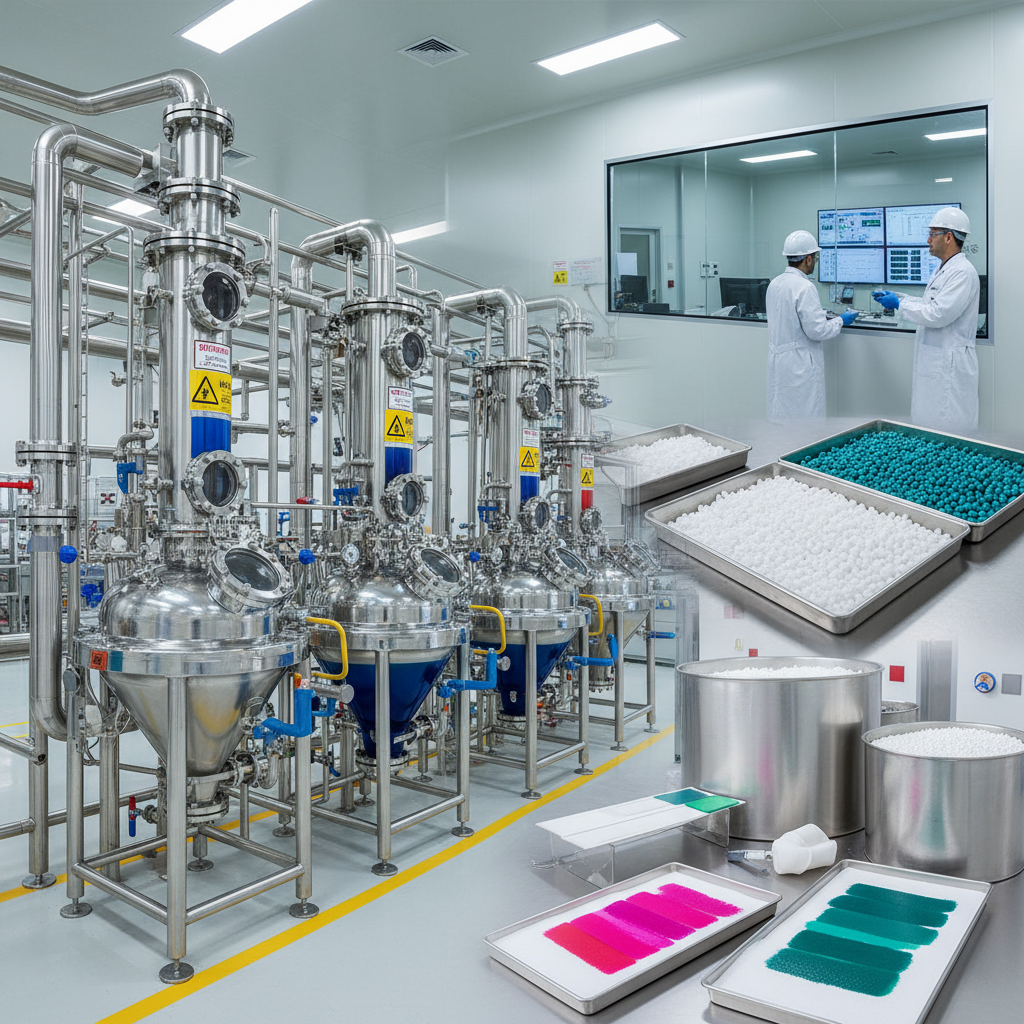
Apr.07,2026
Comprehensive Guide to API of Drugs Global Sourcing and Quality Control
In the complex world of pharmaceutical ingredient sourcing, understanding the API of drugs – Active Pharmaceutical Ingredients – is paramount. These are the biologically active components that produce the intended effects in medications. This article will provide a detailed overview of APIs, their sourcing, quality control, and the role of trusted suppliers like KXD Chem in navigating the global market. Effective API sourcing is crucial for pharmaceutical companies aiming for cost-efficiency, quality, and regulatory compliance.
Читать далее