

In the vast and intricate world of polymer science, the durability and longevity of plastic products are not inherent properties but are carefully engineered through the incorporation of specialized additives. These compounds combat the relentless forces of degradation—ultraviolet radiation, thermal energy, and oxidative stress—that cause plastics to yellow, become brittle, and fail. While a multitude of stabilizers exist, the pursuit of more efficient, multifunctional, and high-performance additives is constant. Emerging from an unexpected corner of chemistry, 6-аміно-1,3-диметилурацил is demonstrating remarkable potential as a stabilizer for plastic products. This heterocyclic organic compound, structurally related to uracil, is often discussed among pharmaceutical intermediates due to its role as a precursor in drug synthesis. However, its unique molecular architecture offers a set of properties that are finding a valuable and growing application in material science, moving it from the realm of intermediate pharmaceutical products to a crucial component in high-performance polymers.
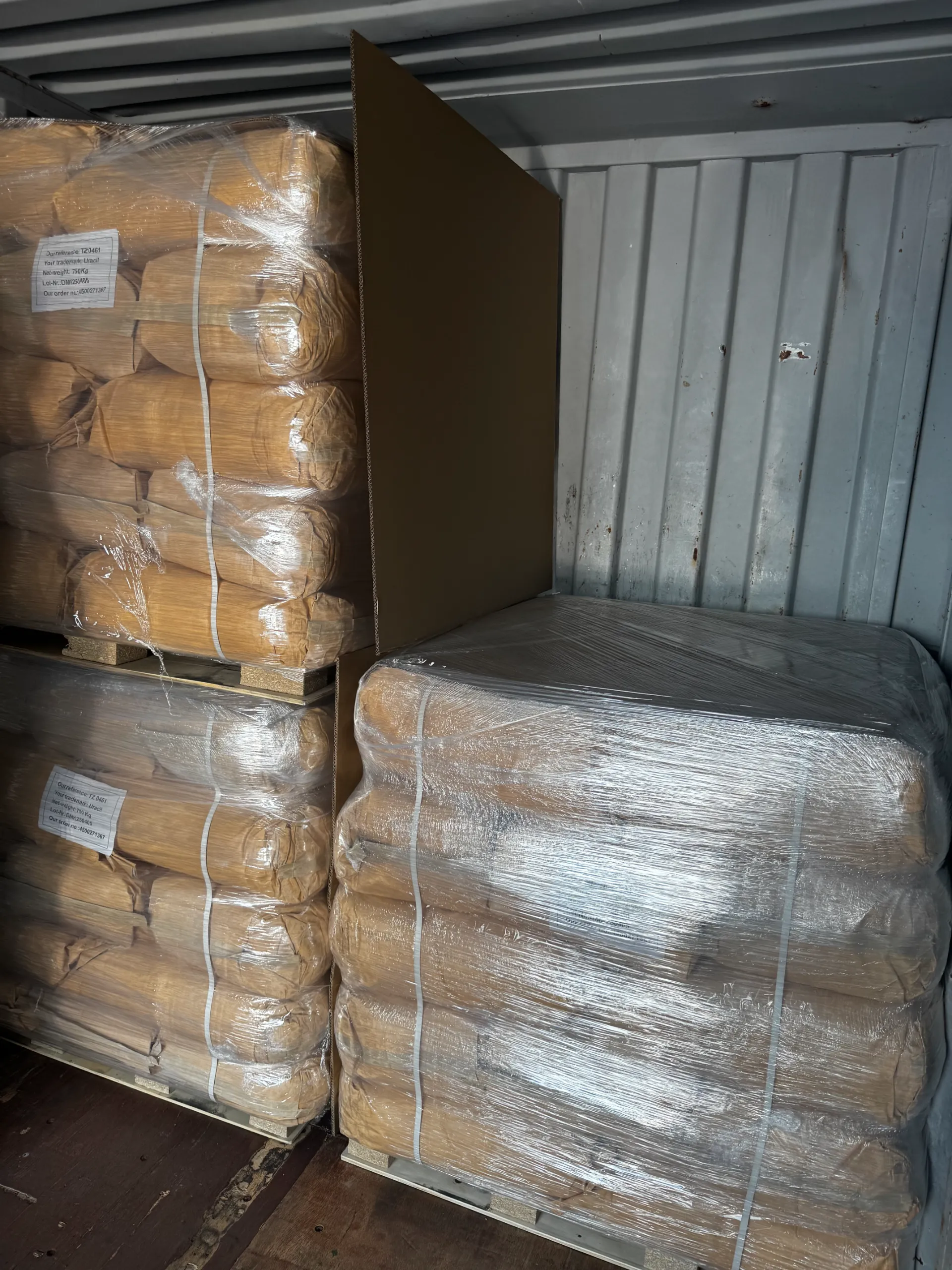
From Pharmaceutical Intermediate to Polymer Stabilizer: The Journey of a Versatile Molecule
6-аміно-1,3-диметилурацил is a compound of significant interest to pharmaceutical intermediates manufacturers. Its structure, featuring a uracil core with amino and methyl functional groups, makes it a versatile building block for the synthesis of a range of bioactive molecules, including caffeine analogues and various neurological agents. As such, it is readily available as pharmaceutical intermediates for sale from chemical suppliers catering to the life sciences industry. However, the very properties that make it useful in pharmacy—its specific heterocyclic reactivity and hydrogen-bonding capability—also make it exceptionally effective in stabilizing polymers.
The journey of this molecule from a pharmaceutical vial to a polymer extrusion line is a testament to cross-disciplinary innovation. Chemists working on polymer stabilization, seeking new molecules that could effectively scavenge free radicals and quench excited states, recognized the potential in this readily available intermediate. Its high melting point, good thermal stability, and compatibility with various polymer matrices made it an ideal candidate for investigation beyond its established dimethyl urea uses and pharmaceutical applications. This exploration revealed that 6-аміно-1,3-диметилурацил acts as a powerful, multifunctional additive that protects plastics through several simultaneous mechanisms, significantly enhancing their usable lifespan.
6-Amino-1,3-dimethyluracil’s Molecular Guardian: Mechanisms of Stabilization in Plastic Products
The exceptional stabilizing power of 6-аміно-1,3-диметилурацил lies in its multifunctional molecular structure, which allows it to combat several degradation pathways at once.
- Superior Light Stabilization (UV Protection):
The primary cause of outdoor degradation in most plastics is photodegradation caused by ultraviolet light. UV radiation possesses enough energy to break chemical bonds in the polymer chain, initiating a free-radical chain reaction that leads to embrittlement and discoloration. 6-аміно-1,3-диметилурацилfunctions as an extremely effective light stabilizer. Its structure allows it to efficiently absorb harmful UV radiation. But unlike simple UV absorbers that convert light energy to heat, this molecule excels through a process called "Quenching." The excited state energy absorbed from the UV light is rapidly transferred from the excited polymer molecule to the 6-аміно-1,3-диметилурацилadditive. The additive then harmlessly dissipates this energy as thermal energy, preventing the polymer chain from breaking. This quenching mechanism is highly efficient and does not consume the additive, allowing it to provide long-term protection. - potent Antioxidant Activity:
Thermo-oxidative degradation is another major failure mode for plastics, especially during high-temperature processing like extrusion and injection molding. Oxygen from the air can react with polymer chains to form highly destructive peroxy radicals (ROO•), which propagate a chain reaction of degradation. The amino (NH₂) group on the uracil ring of 6-аміно-1,3-диметилурацилgives it outstanding antioxidant properties. It acts as a radical scavenger, donating a hydrogen atom to the peroxy radical, effectively stopping the chain reaction dead in its tracks. The resulting stabilizer radical is itself stable and does not initiate new degradation cycles, making it a highly efficient "chain-breaking" antioxidant. This dual function—protecting against both UV and oxidative degradation—makes it a uniquely versatile stabilizer, often reducing the need for multiple, separate additives in a formulation.
6-аміно-1,3-диметилурацил:Enhancing Performance and Processability in Demanding Applications
The incorporation of 6-аміно-1,3-диметилурацил into plastic products translates into tangible benefits that extend far beyond basic stabilization.
Preservation of Mechanical Properties and Appearance:
By effectively scavenging free radicals and quenching excited states, the additive prevents the chain scission and cross-linking reactions that cause polymers to lose their tensile strength, impact resistance, and elongation at break. A polypropylene container or an ABS automotive part stabilized with this compound will retain its "like-new" mechanical integrity for vastly longer periods, even in harsh environments. Furthermore, by preventing the formation of chromophoric groups (color centers) in the polymer structure, it dramatically reduces yellowing and maintains the original color and clarity of the plastic. This is crucial for consumer goods, automotive parts, and packaging where aesthetic appearance is directly tied to product quality and value.
Thermal Stability During Processing:
The antioxidant activity of 6-аміно-1,3-диметилурацил is critically important during the polymer's birth. Processing temperatures can often exceed 200°C, creating severe thermo-oxidative stress. The addition of this stabilizer to the polymer resin before processing protects it during this vulnerable phase. It prevents molecular weight degradation and gel formation, leading to a smoother process with fewer rejects, better control over melt flow properties, and a higher quality end product. It allows manufacturers to push processing temperatures higher if needed without fear of degrading the polymer, enabling greater production flexibility.
A Sourced Solution: Integrating a Pharmaceutical Intermediate into Polymer Production
For a polymer formulator, sourcing 6-аміно-1,3-диметилурацил is straightforward thanks to the established infrastructure of the pharmaceutical chemical industry. Reputable pharmaceutical intermediates manufacturers produce this compound to a high degree of purity, which is essential for its effectiveness in plastics. Impurities can act as pro-degradants, counteracting the stabilizing effect. Therefore, the availability of high-purity material as pharmaceutical intermediates for sale is a significant advantage. Its efficacy means it is required at relatively low loadings (typically 0.1% to 0.5% by weight), making it a cost-effective solution for enhancing product value and performance.
In conclusion, 6-аміно-1,3-диметилурацил represents a fascinating and powerful example of chemical innovation across industry boundaries. Its transition from a specialized pharmaceutical intermediate to a high-performance polymer additive underscores its unique and valuable functionality. By providing robust, multifunctional stabilization against the primary enemies of plastic—UV light and oxygen—it ensures that products retain their strength, flexibility, and appearance for extended periods. As the demand for more durable, sustainable, and high-performing plastic products grows, the role of advanced additives like 6-аміно-1,3-диметилурацил will become increasingly central, proving that some of the most effective solutions for the future of materials can be found in the chemistry of today's pharmaceuticals.