

The field of anesthesia has been revolutionized by the development of halogenated ether compounds, with sevoflurane and isoflurane standing as two of the most widely used inhalation anesthetics today. As leading API drug product options in surgical settings, these agents offer distinct pharmacological profiles that influence their clinical applications. The production of these critical medications by specialized API manufacturing company operations ensures consistent quality and reliability for medical use. Understanding the differences between these two anesthetic agents is essential for anesthesiologists to make informed decisions in patient care.
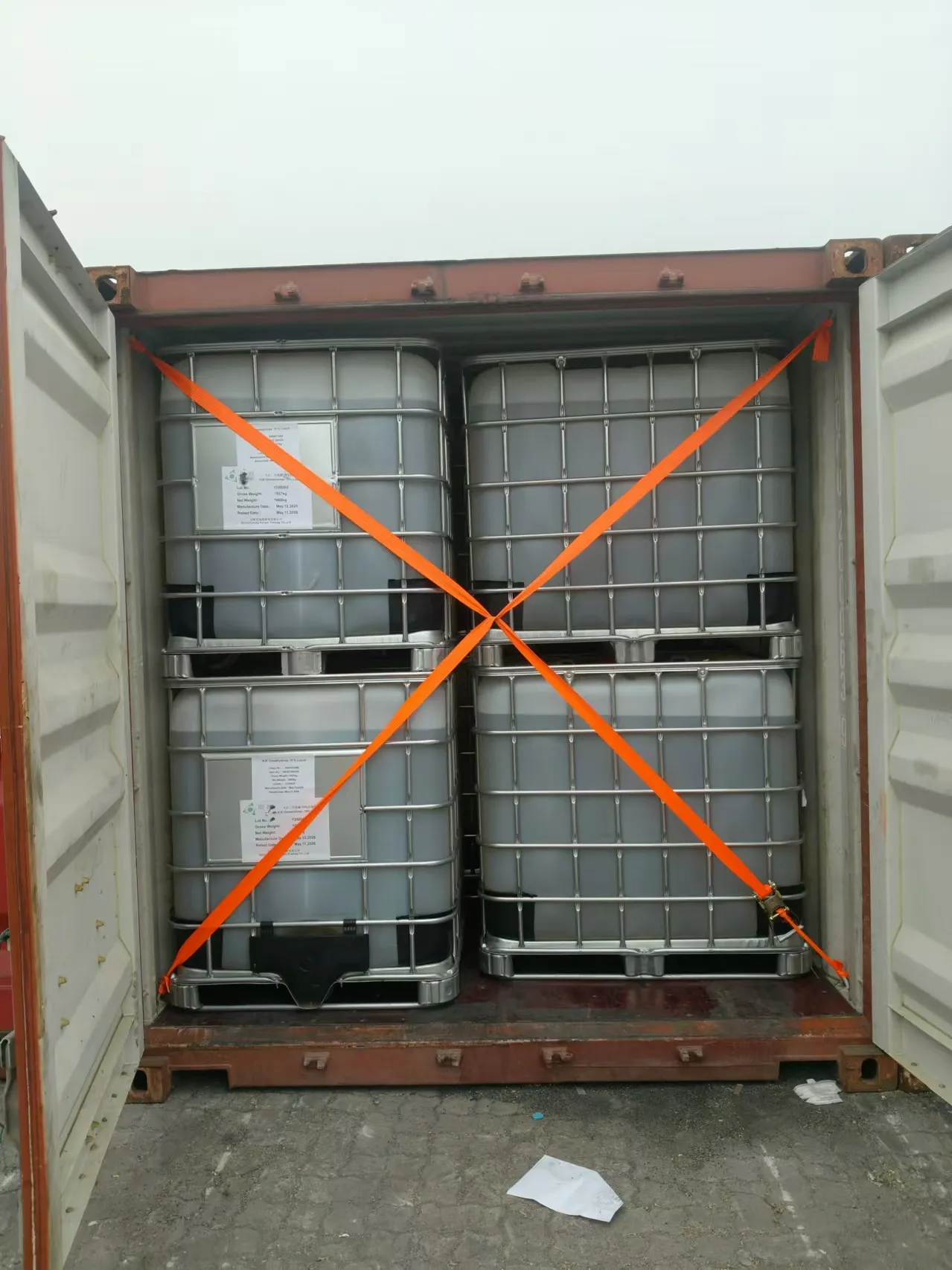
Sevoflurane: Chemical Properties and Manufacturing Considerations
Molecular Structure and Stability Characteristics
The fundamental chemical differences between sevoflurane and isoflurane begin at the molecular level. Sevoflurane, chemically known as fluoromethyl 2,2,2-trifluoro-1-(trifluoromethyl)ethyl ether, possesses a unique structure that contributes to its rapid onset and offset of action. In contrast, isoflurane (1-chloro-2,2,2-trifluoroethyl difluoromethyl ether) exhibits different physicochemical properties that affect its clinical behavior. These structural variations are carefully controlled during production by sevoflurane manufacturer facilities to ensure pharmaceutical-grade purity.
The stability of these agents presents important considerations for clinical use. Sevoflurane Fahrenheit stability requirements differ from those of isoflurane, with specific storage and handling protocols necessary to maintain drug integrity. These stability characteristics influence how hospitals store and administer these anesthetic agents, with sevoflurane requiring particular attention to prevent degradation.
Production Standards in API Manufacturing
The production of anesthetic agents as API in pharmaceutical manufacturing follows rigorous quality control measures. Specialized API manufacturing company operations must adhere to strict regulatory standards to ensure the purity and consistency of both sevoflurane and isoflurane. The manufacturing processes for these agents involve sophisticated purification techniques to eliminate potentially harmful byproducts and ensure patient safety.
Pharmacokinetic Profiles and Clinical Effects
Induction and Recovery Characteristics
One of the most clinically significant differences between these agents lies in their pharmacokinetic behavior. Sevoflurane demonstrates a lower blood-gas partition coefficient (0.65) compared to isoflurane (1.4), resulting in faster induction and emergence from anesthesia. This property makes sevoflurane particularly valuable for outpatient procedures where rapid recovery is desired. The quick onset of sevoflurane also contributes to its popularity for inhalation induction in pediatric patients.
Isoflurane, with its higher solubility in blood, provides a more gradual induction and recovery profile. This characteristic may be preferable in certain clinical scenarios where slower changes in anesthetic depth are desired. The differing pharmacokinetics of these agents influence their placement in the API drug product marketplace and their utilization patterns in various surgical settings.
Metabolic Pathways and Organ Effects
The metabolism of these anesthetic agents presents another area of differentiation. Sevoflurane undergoes approximately 5% hepatic metabolism, primarily via cytochrome P450 2E1, producing fluoride ions and hexafluoroisopropanol. In contrast, isoflurane demonstrates only about 0.2% metabolism, making it essentially a non-metabolized agent in clinical practice. This metabolic difference has implications for patients with hepatic impairment and for the potential nephrotoxicity concerns associated with fluoride ion production.
Organ-specific effects vary significantly between the two agents. Sevoflurane tends to produce less irritation to the airways compared to isoflurane, making it superior for mask inductions. However, isoflurane demonstrates more pronounced vasodilation properties, which can influence cerebral blood flow dynamics in neurosurgical cases. These pharmacological distinctions guide clinicians in agent selection for specific patient populations and surgical procedures.
Sevoflurane: Clinical Applications and Special Considerations
Pediatric and Geriatric Anesthesia
The use of sevoflurane has become nearly ubiquitous in pediatric anesthesia due to its non-pungent odor and smooth inhalation induction characteristics. Many sevoflurane manufacturer organizations emphasize these pediatric advantages in their product positioning. The rapid onset and offset of sevoflurane align well with the physiological needs of younger patients, allowing for precise titration of anesthetic depth.
In geriatric populations, the choice between these agents requires careful consideration. Isoflurane's more stable hemodynamic profile may be preferable for elderly patients with cardiovascular comorbidities, while sevoflurane's rapid clearance benefits patients with reduced hepatic and renal function. These population-specific considerations influence how API in pharmaceutical manufacturing is tailored to meet diverse clinical needs.
Neurosurgical and Cardiovascular Applications
In neurosurgical anesthesia, the cerebrovascular effects of these agents become particularly relevant. Isoflurane's more pronounced vasodilatory effects on cerebral vasculature require careful monitoring during procedures where intracranial pressure is a concern. Sevoflurane, with its more modest effects on cerebral blood flow, may offer advantages in certain neurosurgical contexts.
For cardiovascular surgery, the myocardial effects of these agents guide selection. Isoflurane demonstrates more significant coronary vasodilation, while sevoflurane appears to have less impact on coronary steal phenomena. These differential effects influence agent choice for patients with ischemic heart disease undergoing cardiac procedures.
Sevoflurane’s Safety Profiles and Adverse Effect Considerations
Airway Irritation and Respiratory Effects
The airway effects of these agents represent one of their most noticeable clinical differences. Sevoflurane's lack of pungency makes it far better tolerated during inhalation induction, with significantly less coughing and breath-holding compared to isoflurane. This property has solidified sevoflurane's position as the volatile agent of choice for mask inductions, particularly in pediatric populations.
Isoflurane's more irritating properties to the airways limit its use for inhalation induction but do not preclude its value for maintenance anesthesia. The respiratory depression effects of both agents are dose-dependent, with similar reductions in minute ventilation at equivalent minimum alveolar concentration (MAC) levels.
Potential for Compound A Formation
A unique consideration with sevoflurane involves its potential degradation to Compound A (fluoromethyl-2,2-difluoro-1-(trifluoromethyl)vinyl ether), particularly when used with low-flow anesthesia techniques. While sevoflurane manufacturer guidelines provide specific recommendations to minimize this risk, the potential for nephrotoxicity from Compound A remains a theoretical concern that does not exist with isoflurane use.
Isoflurane, while not associated with Compound A formation, does produce trifluoroacetic acid as a metabolic byproduct that could potentially contribute to rare cases of hepatotoxicity. These differing safety profiles influence clinical decision-making and monitoring protocols during anesthesia administration.
Sevoflurane: Economic and Environmental Considerations
Cost Analysis and Utilization Patterns
The economic aspects of these anesthetic agents play a significant role in hospital formulary decisions. Sevoflurane typically commands a higher price point than isoflurane, reflecting both its more complex manufacturing process and its clinical advantages in certain settings. The cost differential influences how API manufacturing company organizations position these products in the marketplace.
However, the total cost of anesthesia care involves multiple factors beyond drug acquisition costs. Sevoflurane's faster recovery profile may translate to reduced post-anesthesia care unit times and improved operating room turnover in appropriate cases. These system-wide efficiencies must be considered when evaluating the overall economic impact of agent selection.
Environmental Impact and Atmospheric Considerations
The environmental effects of volatile anesthetics have become an increasing concern in recent years. Both sevoflurane and isoflurane are potent greenhouse gases, though their atmospheric lifetimes and global warming potentials differ. Sevoflurane Fahrenheit vapor pressure characteristics influence its handling requirements and potential for atmospheric release.
Modern API in pharmaceutical manufacturing practices include attention to reducing the environmental footprint of anesthetic agents. Techniques such as low-flow anesthesia and efficient vaporizer technology help mitigate the ecological impact of both agents while maintaining clinical efficacy.
Sevoflurane’s Future Directions in Volatile Anesthesia
Ongoing Research and Development
The evolution of volatile anesthetic agents continues with ongoing research into their mechanisms of action and clinical applications. Sevoflurane manufacturer organizations are investing in further refinements to production processes and delivery systems. Investigations into the potential organ-protective effects of both sevoflurane and isoflurane may uncover new therapeutic applications beyond their traditional roles in general anesthesia.
Personalized Anesthesia Approaches
The future of anesthesia practice may involve more tailored approaches to agent selection based on individual patient characteristics. As our understanding of pharmacogenomics advances, the choice between sevoflurane and isoflurane may incorporate genetic factors influencing drug metabolism and sensitivity. These developments will further refine the role of each agent in clinical practice.
Sevoflurane: Balancing Clinical Needs with Agent Characteristics
The comparison between sevoflurane and isoflurane reveals two anesthetic agents with distinct pharmacological profiles and clinical applications. As valuable API drug product options in modern anesthesia practice, each agent offers unique advantages that make them indispensable in different clinical scenarios. The continued production of these agents by specialized API manufacturing company operations ensures their availability to meet diverse patient needs.
Anesthesiologists must weigh multiple factors when selecting between these agents, including patient characteristics, surgical requirements, and institutional resources. Sevoflurane's rapid onset and excellent tolerability make it ideal for many clinical situations, while isoflurane's stable hemodynamic profile maintains its value in specific patient populations. As the field of anesthesia evolves, both agents will likely maintain important roles in patient care, with their differences guiding appropriate clinical application rather than suggesting outright superiority of one over the other.