

In the intricate world of neurosurgery, particularly during operations to treat epilepsy, every detail matters. The choice of anesthetic agent is not merely about ensuring the patient's comfort; it is a critical decision that can influence surgical conditions, brain physiology, and ultimately, patient outcomes. Among the array of options, isoflurane stands out as a time-tested and highly valued volatile anesthetic. Its unique pharmacological profile makes it exceptionally suitable for the demanding environment of epilepsy surgery. This article explores the pivotal role of anesthesia isoflurane in these delicate procedures and highlights the importance of sourcing high-quality, reliably bottled isoflurane from reputable manufacturers committed to excellence.
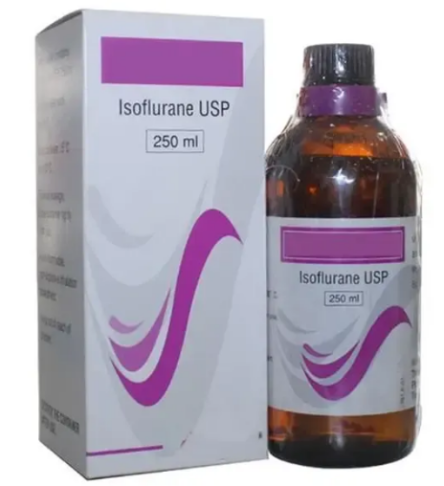
The Science of Isoflurane in Neurological Calm
Isoflurane, a halogenated ether, has been a cornerstone of general anesthesia for decades. Its mechanism involves potentiating inhibitory neurotransmitters in the brain, leading to a reversible state of unconsciousness, amnesia, and immobility. For epilepsy surgery, this property is doubly significant. The procedure often requires precise mapping of the brain's electrical activity to identify the exact focus of seizure onset, sometimes while the patient is awake. When general anesthesia is employed, anesthesia isoflurane offers a stable and predictable hemodynamic profile, maintaining adequate blood flow to the vital organ—the brain. Its relatively low solubility in blood allows for rapid induction and, more importantly, rapid emergence. This quick wake-up is crucial for early neurological assessment following surgery. Furthermore, studies indicate that isoflurane possesses intrinsic anticonvulsant properties at surgical doses, which can help in suppressing intraoperative seizure activity, providing a more controlled surgical field for the neurosurgeon.
Precision in Practice: Deploying Anesthesia Isoflurane for Seizure Focus Resection
The application of anesthesia isoflurane during epilepsy surgery is a testament to precision medicine. The anesthesiologist's goal is to create optimal conditions: a quiet brain for mapping, a relaxed surgical field, and stable vital signs. Isoflurane is typically delivered via a specialized vaporizer, allowing exact control over the inspired concentration. This precision is paramount. During critical phases like cortical mapping or electrocorticography (ECoG), the anesthetic depth may need minute adjustments to avoid suppressing the very epileptiform activity surgeons need to locate. The ability to titrate isoflurane smoothly makes it an agent of choice. Its compatibility with other intravenous anesthetics and analgesics allows for a balanced technique, minimizing the dose of any single drug and thereby reducing potential side effects. This orchestrated use of anesthesia isoflurane helps safeguard brain function while enabling the surgeon to perform the meticulous task of resecting the seizure focus with confidence.
From Production to Operation: The Assurance of Quality Bottled Isoflurane
The efficacy and safety of any medical intervention depend fundamentally on the quality of the substances used. This is where the journey of bottled isoflurane from a chemical compound to a life-supporting drug becomes critical. High-purity isoflurane is essential to avoid introducing unknown impurities that could affect neuronal activity or cause adverse reactions. Reliable manufacturers adhere to stringent Good Manufacturing Practice (GMP) standards, ensuring every batch meets exacting specifications for purity, potency, and consistency. The bottled isoflurane used in hospitals must be stable, non-corrosive to equipment, and deliver a predictable concentration. For a company like Shijiazhuang Kunxiangda Technology Co., Ltd., with over a decade of expertise in fine chemical synthesis and a commitment to building "customer-trusted, socially respected" enterprises, the principles of quality control are ingrained. Our dedication to technological innovation through academic collaborations ensures our processes remain at the forefront, directly translating to the reliability of critical products like anesthetic agents.
|
Parameter |
Specification |
|
Chemical Name |
1-chloro-2,2,2-trifluoroethyl difluoromethyl ether |
|
Molecular Formula |
C₃H₂ClF₅O |
|
Molecular Weight |
184.49 |
|
Certification |
GMP certificate |
|
Storage |
-20°C |
|
Shipping |
Room Temperature in continental US; may vary elsewhere |
FAQ About Anesthesia Isoflurane
What are the key advantages of using isoflurane in neurosurgery?
Isoflurane offers several distinct advantages for neurosurgical procedures like epilepsy surgery. Its rapid induction and emergence profiles allow for better control of anesthesia depth and quicker post-operative neurological evaluation. It helps maintain cerebral blood flow and has demonstrated anticonvulsant properties at typical surgical doses, which can aid in creating a stable operative environment. Furthermore, its long-standing history of use means its pharmacological behavior is very well understood by anesthesiologists worldwide.
How does the quality of bottled isoflurane impact surgical safety?
The safety of anesthesia isoflurane is inextricably linked to the purity and consistency of the bottled isoflurane. Impurities or variations in concentration can lead to unpredictable anesthetic depth, potential toxicity, or interference with neurophysiological monitoring. Sourcing from GMP-certified manufacturers guarantees that each vial meets rigorous pharmaceutical standards, ensuring the agent performs exactly as expected, dose after dose, which is non-negotiable in high-stakes brain surgery.
Why is GMP certification critical for anesthesia isoflurane production?
Good Manufacturing Practice (GMP) certification is the global benchmark for quality in pharmaceutical production. It ensures that isoflurane is consistently produced and controlled according to the highest quality standards, minimizing risks such as contamination, incorrect labeling, or improper strength. For hospitals, using GMP-certified bottled isoflurane is a fundamental aspect of patient safety and regulatory compliance.
Can you explain the recommended storage conditions for bottled isoflurane?
Proper storage is vital to maintain the stability and efficacy of isoflurane. As indicated in the product parameters, it should be stored at -20°C. This low-temperature storage preserves the chemical integrity of the volatile liquid, preventing degradation before use. Despite this storage requirement, it can typically be shipped at room temperature under controlled conditions, making logistics manageable for distributors and end-users.
What makes your company a reliable partner for sourcing anesthesia isoflurane?
With a foundation built since 2011, Shijiazhuang Kunxiangda Technology Co., Ltd. specializes in the manufacture of fine chemical and pharmaceutical intermediates. Our 50-acre facility, dedicated technical staff, and active collaborations with leading universities drive continuous improvement in our production technology. We are committed to the concept of "harmony, integrity, development, and win-win," ensuring that every product, including high-grade bottled isoflurane, embodies our purpose: to provide customers with quality services as their most reliable partner. Our established global network is a testament to the trust we have built.
In conclusion, anesthesia isoflurane remains a vital tool in the neurosurgical arsenal for treating epilepsy. Its clinical benefits are fully realized only when backed by uncompromising quality from the production line to the operating room. As a company striving for world-class excellence in fine chemical production, we understand this responsibility profoundly. We are dedicated to being a trusted source in the supply chain, supporting medical advancements and ensuring that when a surgeon reaches for that vial of bottled isoflurane, it represents the pinnacle of purity, reliability, and scientific commitment.